

PLANTS
ROOT ROT
RETENTION
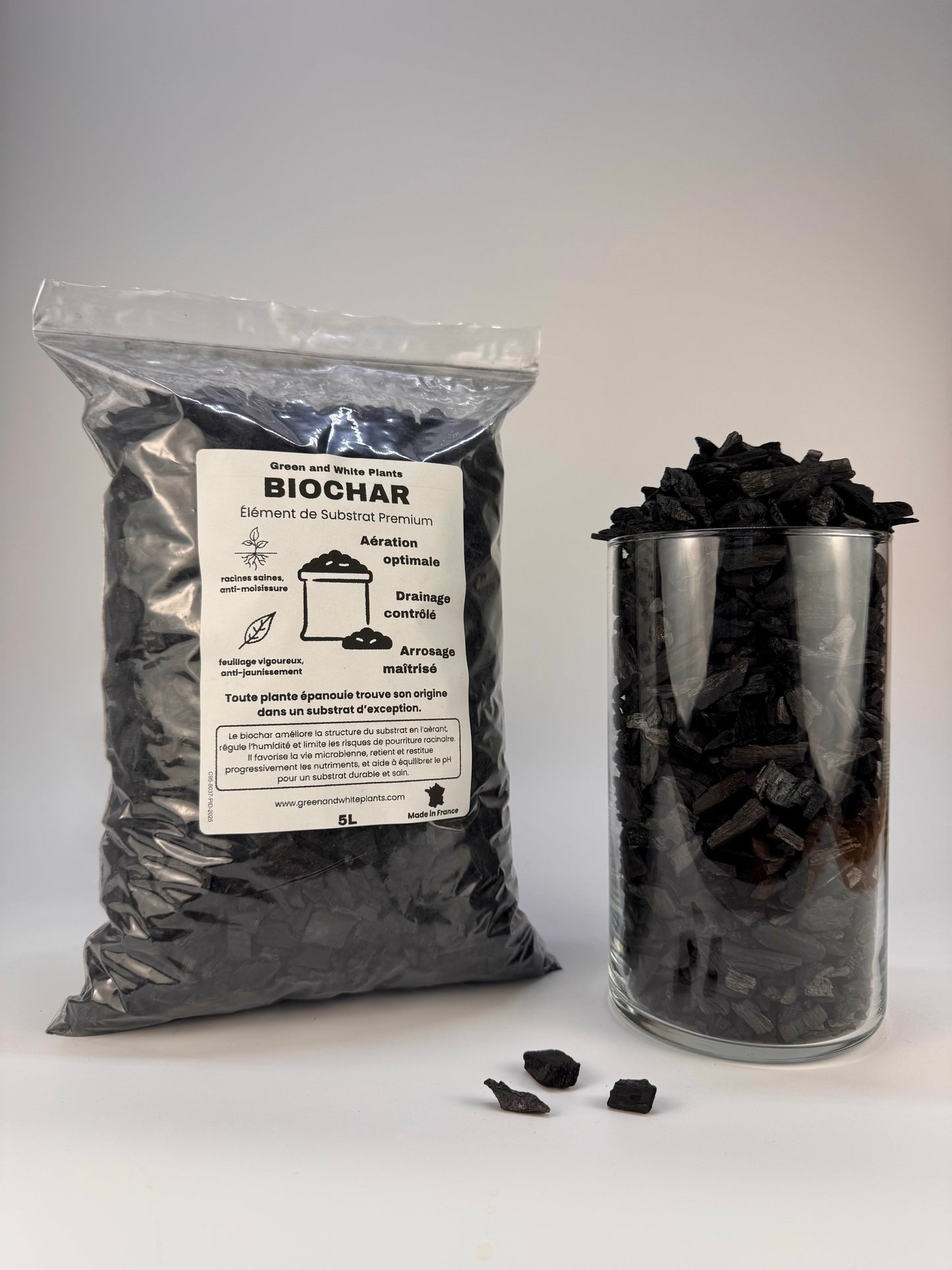
Horticultural biochar
Horticultural biochar
Ideal for:
All types of indoor plants


Couldn't load pickup availability
Selected and prepared in France 🇫🇷
Biochar has become a key component in several of our growing mixes.
During our growing trials between Thailand and France, we studied its behaviour in different substrates to achieve the right balance of porosity, growing-medium stability and airflow.
We selected a horticultural biochar suited to container growing, whether used in specific applications or as part of a substrate blend.
It is then prepared, quality-checked and packed by our team in France.
Thriving Plant Guarantee — 30 days
Our goal is for your plant to thrive when using our products.
If, despite following our recommendations and correctly using our biochar, your plant experiences an irreversible decline, contact us.
We will first guide you in an attempt to stabilise and recover your plant.
If it still cannot be saved, our guarantee provides:
- Refund of the relevant biochar order
- A replacement plant worth up to €100 per order as store credit, usable on one or multiple plants
Main conditions:
- Use the biochar according to our recommendations
- Do not add products that significantly alter the mix without adapting your growing routine
- Follow your plant's main growing requirements, especially watering
- The purchase must have been made directly on greenandwhiteplants.com
Still unsure? Read our customer reviews .
How to use biochar
Biochar can be incorporated directly into your substrate to increase porosity and complement its structure.
Its highly porous structure provides a large internal surface area and can contribute to the management of water, dissolved elements and biological activity within the growing medium.
Composition
A deliberately simple composition: 100% horticultural biochar.
A porous carbonised plant material designed to be used as a component or amendment in growing mixes.
WHAT THEY THINK
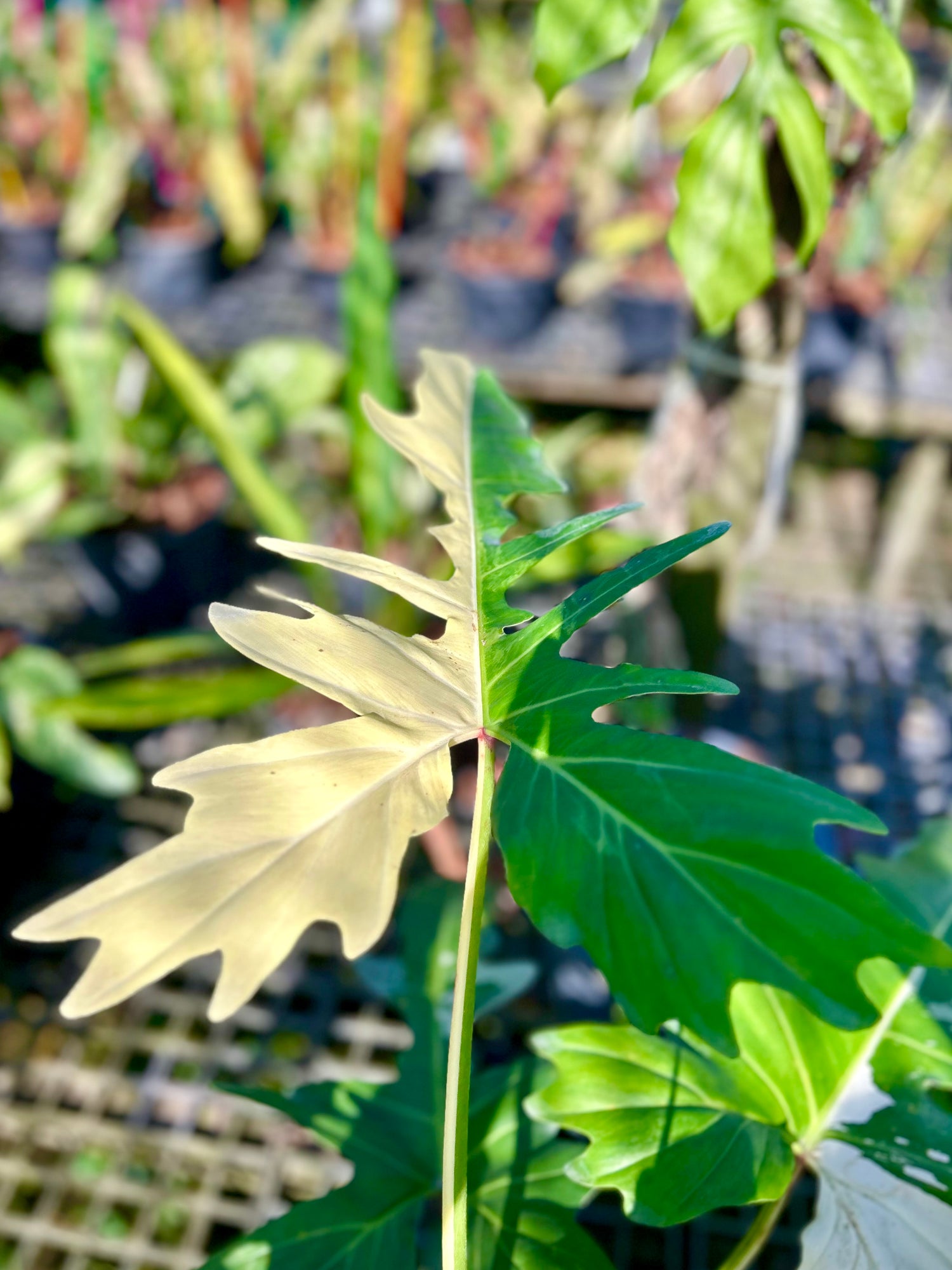
We changed their substrate. Apparently, their roots had a few things to say.
Monstera
Finally, a substrate with enough air. My roots had almost forgotten what breathing felt like.
Alocasia
Moist, but not waterlogged. Airy, but not dry. Finally, someone read my requirements.
Anthurium
Drainage, moisture, oxygen… my aerial roots are asking if they can move in too.
Philodendron
A coarse substrate, plenty of air around the roots… great, now give me a two-metre pole.
Homalomena
It stays fresh without turning into a swimming pool. I really wasn't asking for much.
Baby Plant
Yesterday I was in a flask. Today I have my own pot. Life moves fast.
Monstera
Finally, a substrate with enough air. My roots had almost forgotten what breathing felt like.
Alocasia
Moist, but not waterlogged. Airy, but not dry. Finally, someone read my requirements.
Anthurium
Drainage, moisture, oxygen… my aerial roots are asking if they can move in too.
Monstera
Finally, a substrate with enough air. My roots had almost forgotten what breathing felt like.
Alocasia
Moist, but not waterlogged. Airy, but not dry. Finally, someone read my requirements.
Anthurium
Drainage, moisture, oxygen… my aerial roots are asking if they can move in too.
Philodendron
A coarse substrate, plenty of air around the roots… great, now give me a two-metre pole.
Homalomena
It stays fresh without turning into a swimming pool. I really wasn't asking for much.
Baby Plant
Yesterday I was in a flask. Today I have my own pot. Life moves fast.
Philodendron
A coarse substrate, plenty of air around the roots… great, now give me a two-metre pole.
Homalomena
It stays fresh without turning into a swimming pool. I really wasn't asking for much.
Baby Plant
Yesterday I was in a flask. Today I have my own pot. Life moves fast.
-
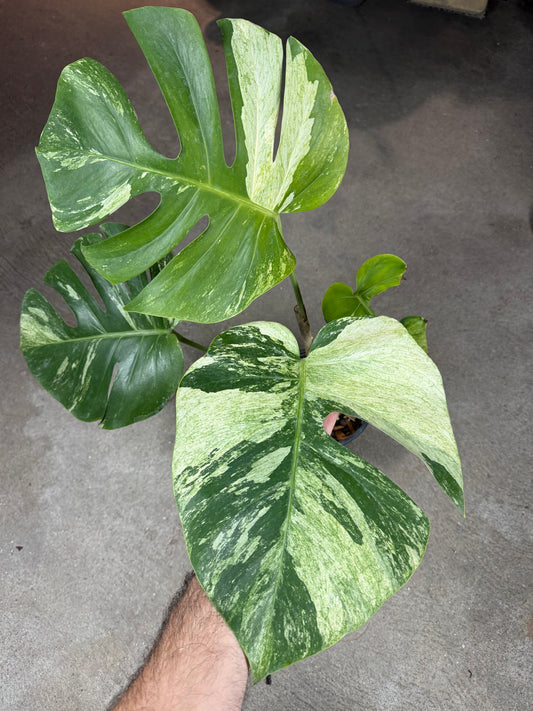
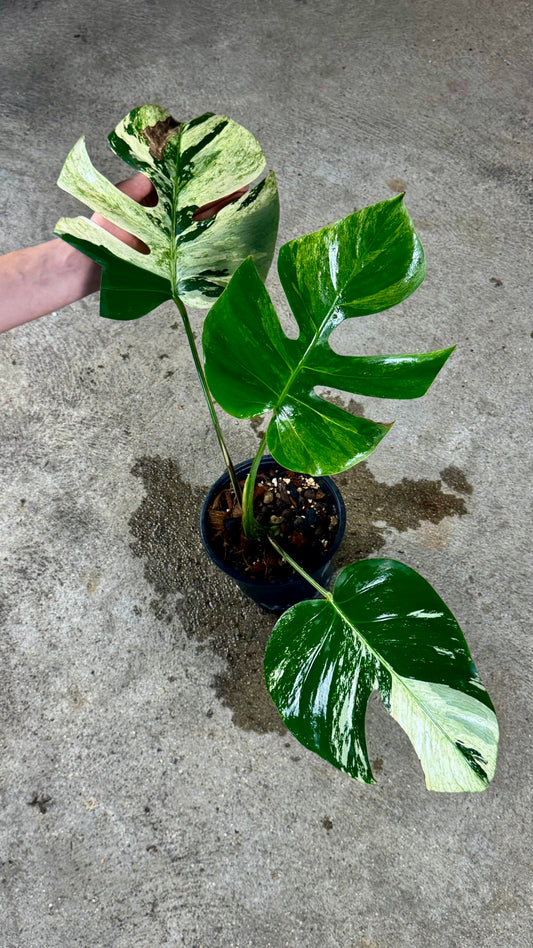 Back Soon
 -
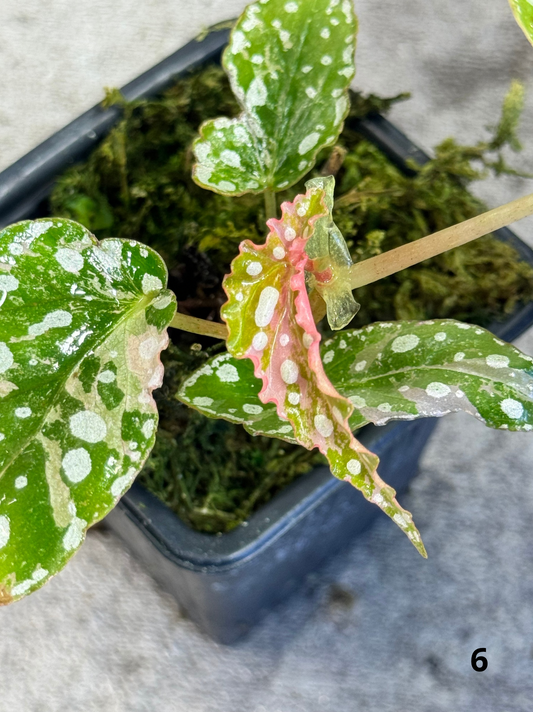
Bégonia Maculata Pink Variegata
Regular price From €34,00Regular price -
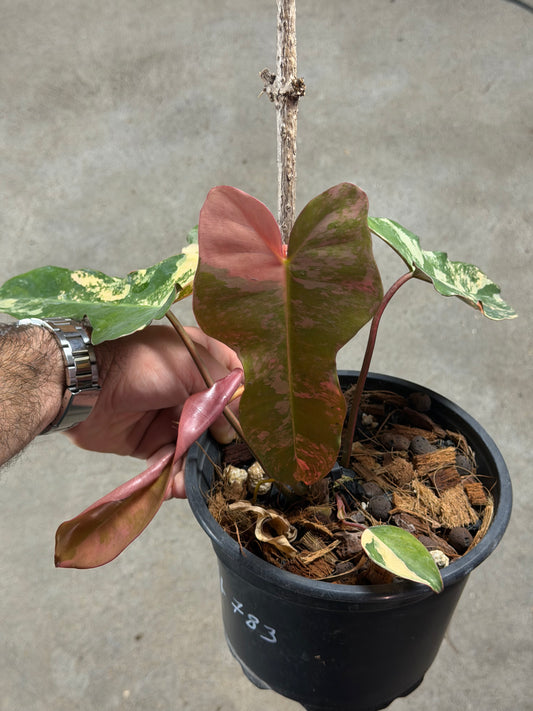
Philodendron Black Billitiae x Florida Beauty
Regular price €190,00Regular price€290,00Sale price €190,00Sale -

 Back Soon
 -
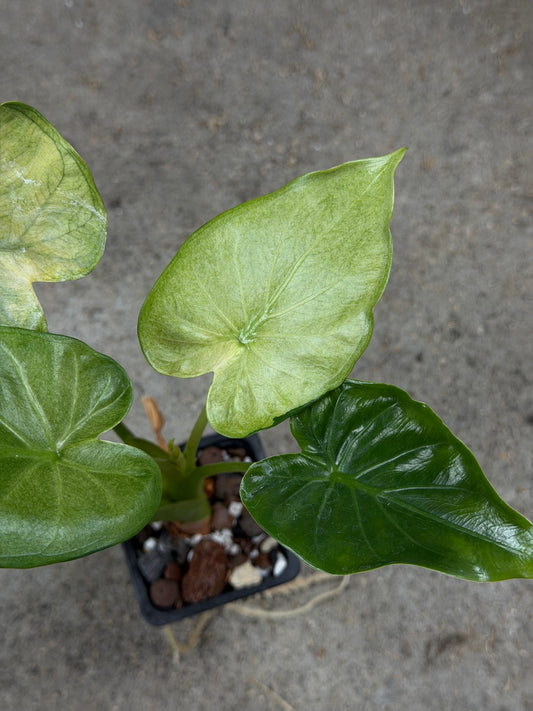
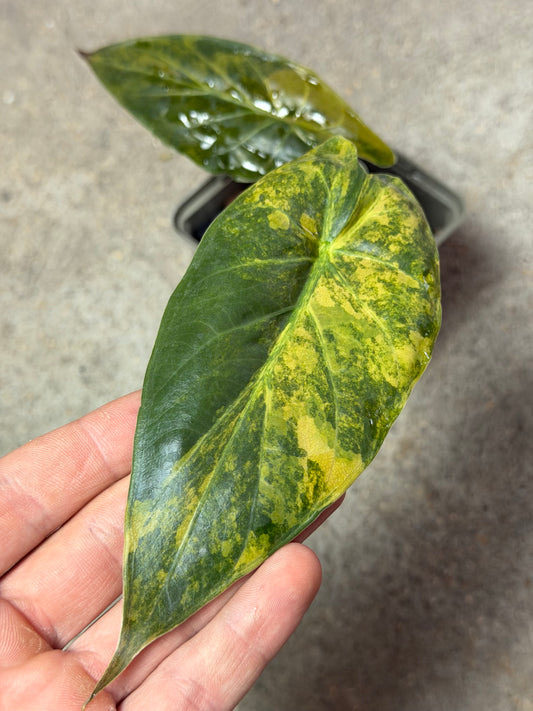
Alocasia cucullata 'Wagyu' Mint
Regular price €79,00Regular price -
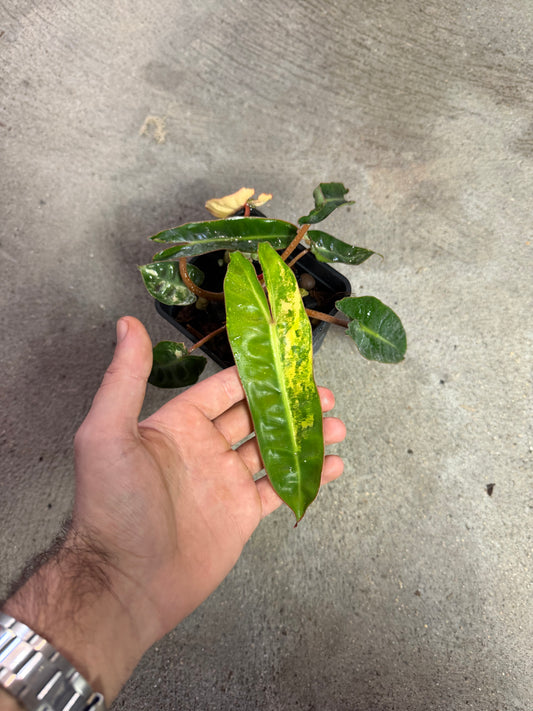
Philodendron Billietiae Variegata
Regular price From €80,00Regular price -
-
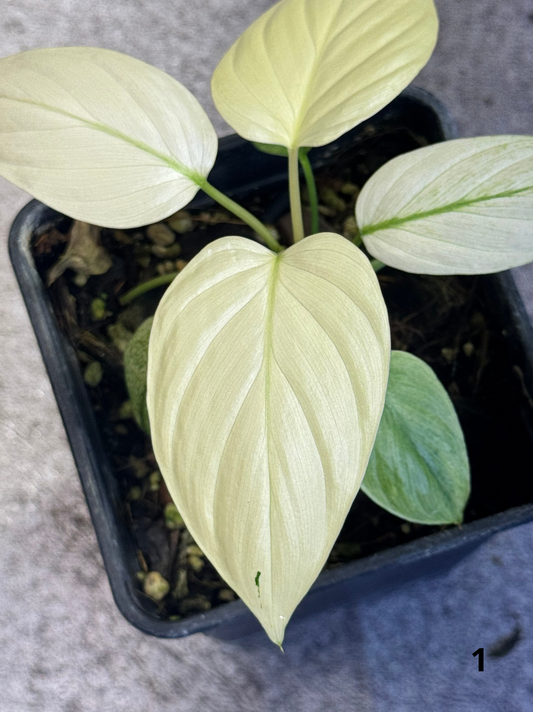
Homalomena Full Mint - Frank
Regular price From €79,00Regular price







FAQ
Would biochar be suitable for my plant?
Plants, whether tropical or temperate, naturally thrive in living, carbon-rich soils where air and water circulate freely around the roots. Biochar is directly inspired by these natural environments to recreate an aerated, biologically active, and sustainable substrate. It protects the root system from moisture-related imbalances, promotes healthy water management, and supports balanced, stable, and secure growth for all types of potted plants.
When should I repot my plant?
- Roots growing out of the bottom of the pot
- A substrate that dries out very quickly between waterings
- A plant that has become too heavy or unstable, and tends to tip over
- Roots that push the plant upwards and out of the pot
- Repotting is recommended every 1 to 2 years , depending on the plant's growth.
How long can the substrate be stored?
A sealed substrate , stored in its original bag, dry and away from light, can be kept for 12 to 18 months while preserving its physical and biological properties. Once opened , the substrate remains fully usable for 6 to 9 months , provided it is properly resealed and stored in a dry environment.
A used substrate (already potted and watered) remains effective for 9 to 18 months , depending on the plant, watering frequency, and growing conditions. Beyond this period, the structure and biological activity gradually decrease; it is then recommended to repot or renew the substrate every 1 to 2 years to maintain an optimal root environment. 🌿
How much biochar do I need?
Use the jar volume calculator available on the product page to determine the quantity you need.
What should I do if my plant doesn't seem happier with its new substrate?
If your plant doesn't seem to be thriving in this substrate, please don't hesitate to contact us . We'll help you diagnose the situation (substrate, watering, light, environment) and find the best solution to ensure healthy and sustainable growth for your plant 🌿