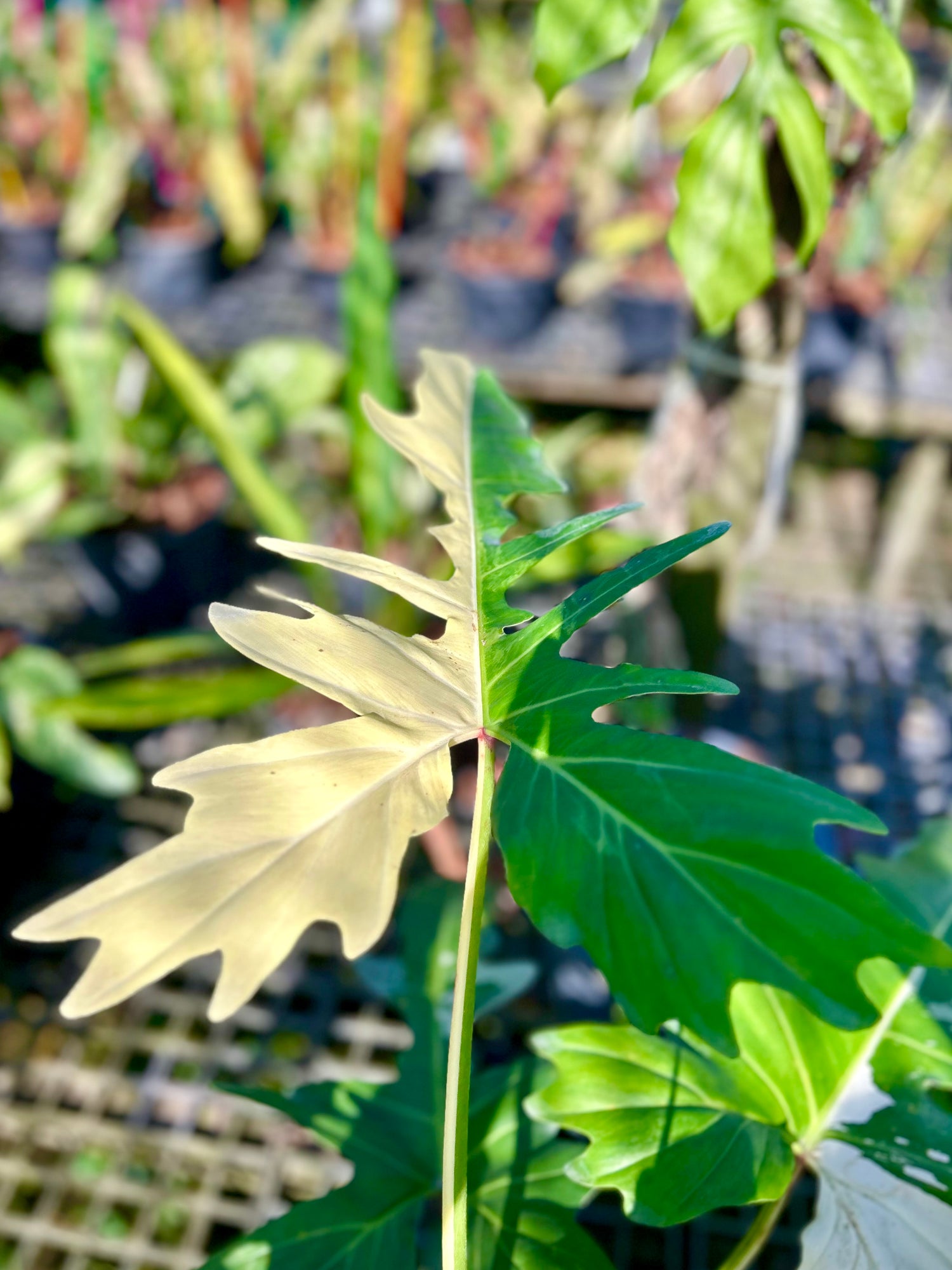


What substrate is suitable for Begonia?
What substrate is suitable for begonias?
Understanding the needs of the Begonia
Begonias are among the most prized tropical plants for their spectacular decorative foliage and flowers in a variety of colors. This botanical genus includes more than 2000 species , originating mainly from the humid tropical regions of South America, Africa, and Asia .
Depending on the species, their growth habit can vary greatly. Some varieties remain compact and only exceed a few centimeters in height, while others can reach several meters. Despite this diversity, their cultivation requirements remain relatively similar , particularly with regard to the substrate.
Begonias generally appreciate:
-
bright light without direct sunlight
-
a light and well-draining substrate
-
moderate and stable humidity
-
a mild and constant temperature
In nature, these plants often grow in soils rich in organic matter , composed of plant debris, bark, and decomposing materials. Their roots therefore thrive in an aerated, light, and slightly acidic environment that retains moisture while allowing for efficient drainage.

To successfully grow Begonias in pots , it is therefore essential to reproduce these natural conditions using a structured and balanced substrate .
Why the substrate is essential for a Begonia
The substrate plays a central role in the health of tropical plants. For Begonias, it directly influences:
-
moisture retention
-
the breathing of the roots
-
microbiological stability
-
nutrient availability
Begonias often have fine, sensitive roots , particularly vulnerable to overwatering. A substrate that is too compact or poorly drained can cause root asphyxiation , subsequently promoting the development of fungal diseases such as crown rot .
Conversely, a substrate that is too well-draining can lead to water stress , preventing the plant from maintaining stable growth.
The secret, therefore, lies in creating a perfect balance between water retention and drainage .
In the cultivation of rare tropical plants in Europe , this balance is particularly important because the climatic conditions are very different from those of the tropical regions of origin.
The characteristics of an ideal substrate for Begonia
For the roots of the Begonia to develop properly, the substrate must possess several essential properties.
A light and airy structure
The roots must be able to develop easily in the substrate. A lightweight structure allows for:
-
optimal air circulation
-
good root oxygenation
-
more vigorous root development
This ventilation also limits the risk of diseases related to excessive humidity.
Good moisture retention
Begonias appreciate consistent humidity , without overwatering. A good substrate should therefore be able to retain moisture gradually , while avoiding saturation.
This ensures regular hydration of the roots , essential for foliage growth and flower production.
Effective drainage
Effective drainage prevents stagnant water from accumulating around the roots. This stagnation is one of the main causes of Begonia decline.
A well-structured substrate therefore allows:
-
to drain excess water
-
to preserve a healthy environment
-
to avoid soil compaction

The ideal substrate composition for Begonia
To replicate the natural growing conditions of Begonias, a balanced substrate must combine several types of materials.
A stable organic base
Buffered coconut fiber enriched with Trichoderma provides a very interesting organic base for growing Begonias.
It allows:
-
controlled moisture retention
-
a structure that is stable over time
-
active biological support for the roots
This organic base also promotes the development of a beneficial microbiome in the substrate.

Purifying and structuring elements
Biochar plays an important role in substrate balance. This material contributes to:
-
the natural purification of the mixture
-
microbiological stabilization
-
improving substrate fertility
It also acts like a biological sponge , capable of retaining certain nutrients.
Materials to improve ventilation
Aeration of the substrate is essential for Begonias. Several elements contribute to maintaining a flexible and breathable structure.
The buffered coconut flakes add flexibility to the mixture and improve its overall structure.
Small-caliber maritime pine bark, on the other hand, promotes substrate aeration and root oxygenation.
These materials make it possible to recreate a structure similar to that of tropical forest soils .
Drainage elements
To prevent water stagnation, several drainage materials can be integrated into the substrate.
Perlite limits compaction and improves air/water exchange.
Hydroponic clay pebbles stabilize the substrate structure while regulating humidity.
Large-caliber pumice ensures efficient drainage while maintaining some moisture around the roots.
A gentle and constant humidity
New Zealand sphagnum moss plays an important role in moisture management.
It allows:
-
to maintain a gentle and constant humidity
-
to protect sensitive roots
-
to promote healthy root development
This water balance is particularly beneficial for rhizomatous Begonia and Rex Begonia , which are known for their sensitivity to excess water.
Choose a substrate suitable for Begonias
If you are growing several rare tropical plants , it may be helpful to opt for substrates specifically designed for each type of plant.
These substrates are formulated to meet the specific needs of each botanical genus.
Discover, for example, mixtures adapted to different types of tropical plants:
https://greenandwhiteplants.com/collections/substrats
You can also discover a blend specially designed for Begonias:
https://greenandwhiteplants.com/products/substrat-begonia-professionnel
These substrates make it possible to reproduce a root environment close to natural conditions.
How to properly repot a Begonia
Repotting is an important step in maintaining a healthy plant.
It is generally recommended to repot a Begonia once a year , at the time of the resumption of growth in the spring.
Here are the main steps:
-
choose a slightly larger pot
-
check for the presence of drainage holes
-
Carefully remove the old substrate
-
place the plant in a fresh, aerated substrate
After repotting, it is important to water lightly to allow the substrate to settle around the roots.
The importance of drainage in Begonia cultivation
Even with a good substrate, drainage remains essential.
A suitable pot should always have drainage holes allowing water to flow freely.
Terracotta or draining plastic pots are particularly suitable for growing Begonias.
Effective drainage allows for:
-
to avoid water stagnation
-
to reduce the risk of disease
-
to promote healthy root development
Water your Begonia well
Watering should always be adapted to the substrate used.
In general, Begonias appreciate regular but moderate watering.
During the growth period, watering about once or twice a week is often sufficient.
It is best to check the moisture level of the substrate before watering again.
A simple rule is to let the surface of the substrate dry slightly between waterings.
It is also recommended to use water at room temperature , in order to avoid thermal shock to the roots.
The most common mistakes with Begonia substrate
Certain mistakes are very common when growing Begonias.
The first is the use of a substrate that is too compact . This prevents air circulation and promotes root rot.
The second is overwatering , often linked to a poorly drained substrate.
Finally, direct exposure to the sun can also cause significant water stress.
By respecting the plant's natural needs and using a structured and balanced substrate , it becomes much easier to maintain a Begonia in perfect health.
Join our tropical world
If you are passionate about rare tropical plants , we regularly share tips, new products and botanical discoveries on our Instagram account.
Join us here:
https://www.instagram.com/greenandwhite_plants/