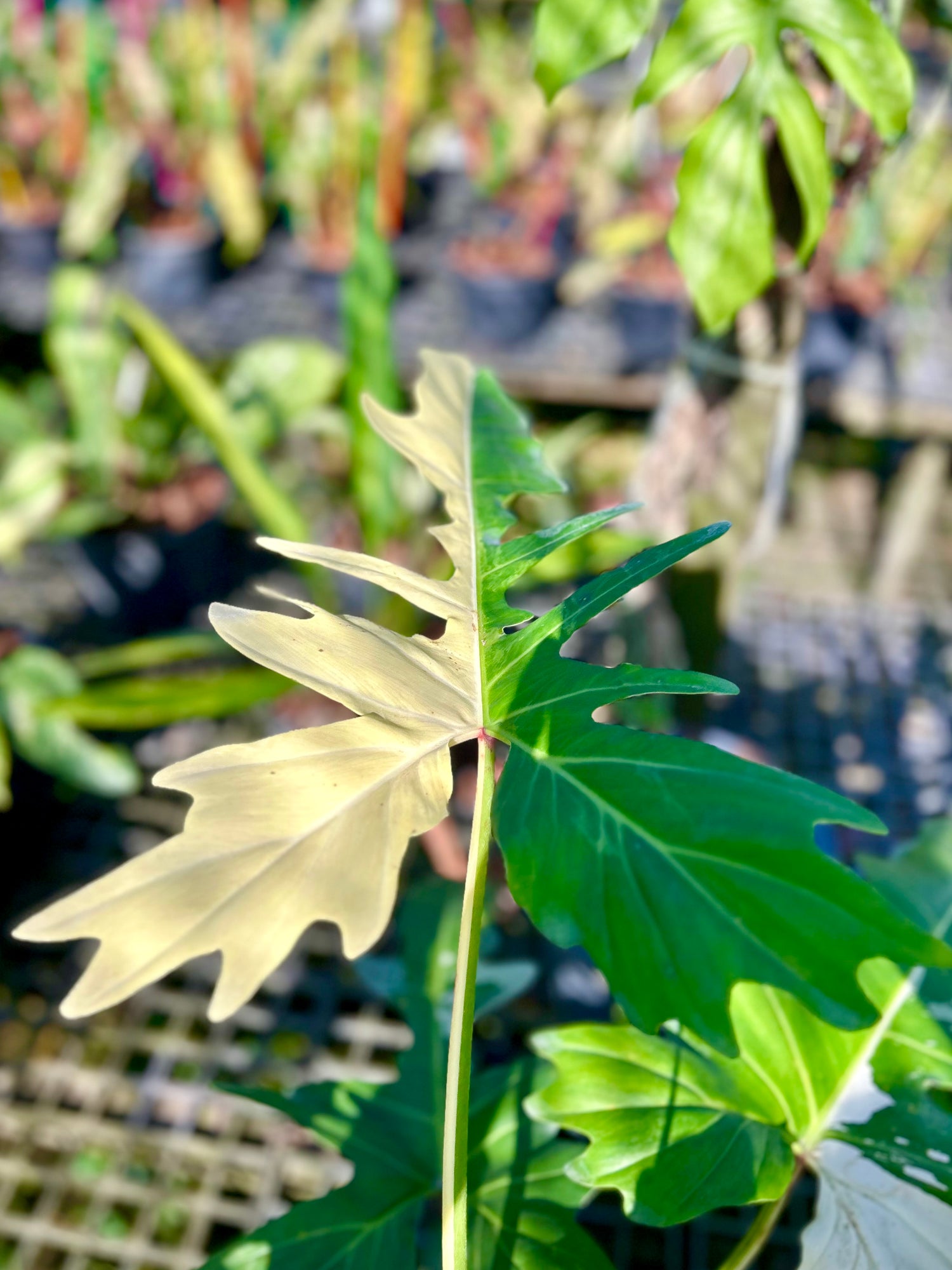


What substrate is suitable for anthuriums?
What substrate is suitable for anthuriums?
Understanding the anthurium and its natural needs
The anthurium is a rare tropical plant native to the rainforests of Central and South America. In its natural environment, this plant usually grows hanging from tree branches or in areas where the soil remains very aerated and rich in organic matter.

This characteristic directly influences its growing requirements. Unlike many houseplants, the anthurium has a sensitive root system that does not tolerate overly compact or waterlogged substrates.
Roots need a breathable environment where air can circulate easily. When the substrate is too dense, the roots quickly suffocate and the plant may show signs of stress: yellowing leaves, slowed growth, or a lack of flowering.
This is why choosing a substrate for rare tropical plants is essential to ensure the health and growth of your anthurium.
Why the substrate is essential for anthuriums
When an anthurium is grown in a pot, its roots have limited space to develop. Therefore, the plant's entire health depends on the quality of the growing medium.
A good substrate for anthuriums must fulfill several essential functions.
First, it must maintain a balanced moisture retention so that the roots can absorb water between waterings. But this moisture must never become excessive.
The substrate must also ensure effective drainage to prevent water from stagnating in the pot. Anthurium roots are particularly sensitive to excess moisture.
Finally, a good substrate must offer maximum aeration so that the roots can breathe and develop properly.
When these three parameters are respected, the anthurium can produce lush foliage and regular flowering.
Characteristics of a good substrate for anthurium
A substrate for rare tropical plants must have an airy structure and be stable over time.
The primary quality sought is air circulation within the substrate. The roots must be able to grow in a mixture that does not compact.
The second quality is rapid water drainage . After watering, the water must be able to circulate freely in the pot to avoid any excess moisture.
The third characteristic is the biological stability of the substrate . A balanced microbiological environment allows roots to develop more easily and absorb the nutrients necessary for the plant.
A well-designed substrate therefore makes it possible to reproduce the natural growing conditions of tropical anthuriums .
Composition of a professional substrate for anthurium
An effective substrate for anthuriums relies on the combination of several complementary elements.
Hydroponic clay pebbles play an essential role in the stability of the nutrient mix. They also help regulate moisture levels in the pot.
Small-caliber maritime pine bark promotes maximum substrate aeration and improves root oxygenation.
The large caliber pumice ensures efficient drainage and allows water to circulate quickly in the pot.
Buffered coconut fiber enriched with Trichoderma provides a stable organic base that maintains balanced moisture while supporting root development.
Biochar contributes to the microbiological balance of the substrate and participates in the natural purification of the environment.
Finally, perlite limits substrate compaction and improves air and water exchange around the roots.

The combination of these elements makes it possible to obtain a substrate perfectly suited to the cultivation of rare anthuriums indoors .
When to repot an anthurium
Repotting is an important step in the care of rare tropical plants such as the anthurium.
Over time, the roots gradually fill all the available space in the pot. The substrate may also lose some of its physical properties.
Several signs indicate that it is time to repot the plant.
• The roots are growing out of the pot
• plant growth slows down
• The substrate dries very quickly after watering
In these situations, repotting allows the root environment to be renewed and gives the plant more space.
The ideal time to repot an anthurium is generally in the spring, when the plant enters its growth phase.
How to repot an anthurium
Repotting an anthurium must be done carefully in order to preserve the roots.
Start by choosing a pot that is slightly larger than the previous one and has drainage holes.
Carefully remove the plant from its pot by gently tapping the bottom to loosen the root ball.
Place a first layer of substrate in the new pot, then position the plant in the center. Next, fill in around the roots with more substrate, gently firming it down to eliminate air pockets.
After repotting, generous watering will moisten the substrate and help the roots settle into their new environment.
Where to find a suitable substrate for anthuriums
If you wish to grow rare anthuriums in the best conditions, it is important to use a substrate specifically designed for this type of tropical plant.
Discover our complete collection of substrates suitable for tropical plants:
👉 https://greenandwhiteplants.com/collections/substrats
You can also discover our professional substrate specially designed for anthuriums :
👉 https://greenandwhiteplants.com/products/substrat-anthurium-professionnel
These substrates are developed to offer an optimal balance between drainage, aeration and moisture retention.
Providing the best conditions for your anthurium
The success of growing a tropical anthurium depends on several elements: light, ambient humidity and above all the quality of the substrate.
A well-balanced substrate helps maintain a stable root environment and promotes vigorous growth.
To discover our substrates suitable for tropical plants, explore our collection:
👉 https://greenandwhiteplants.com/collections/substrats
Or discover our substrate specially designed for anthuriums :
👉 https://greenandwhiteplants.com/products/substrat-anthurium-professionnel
And to discover our rare tropical plants , our growing tips and our new arrivals, join us on Instagram: