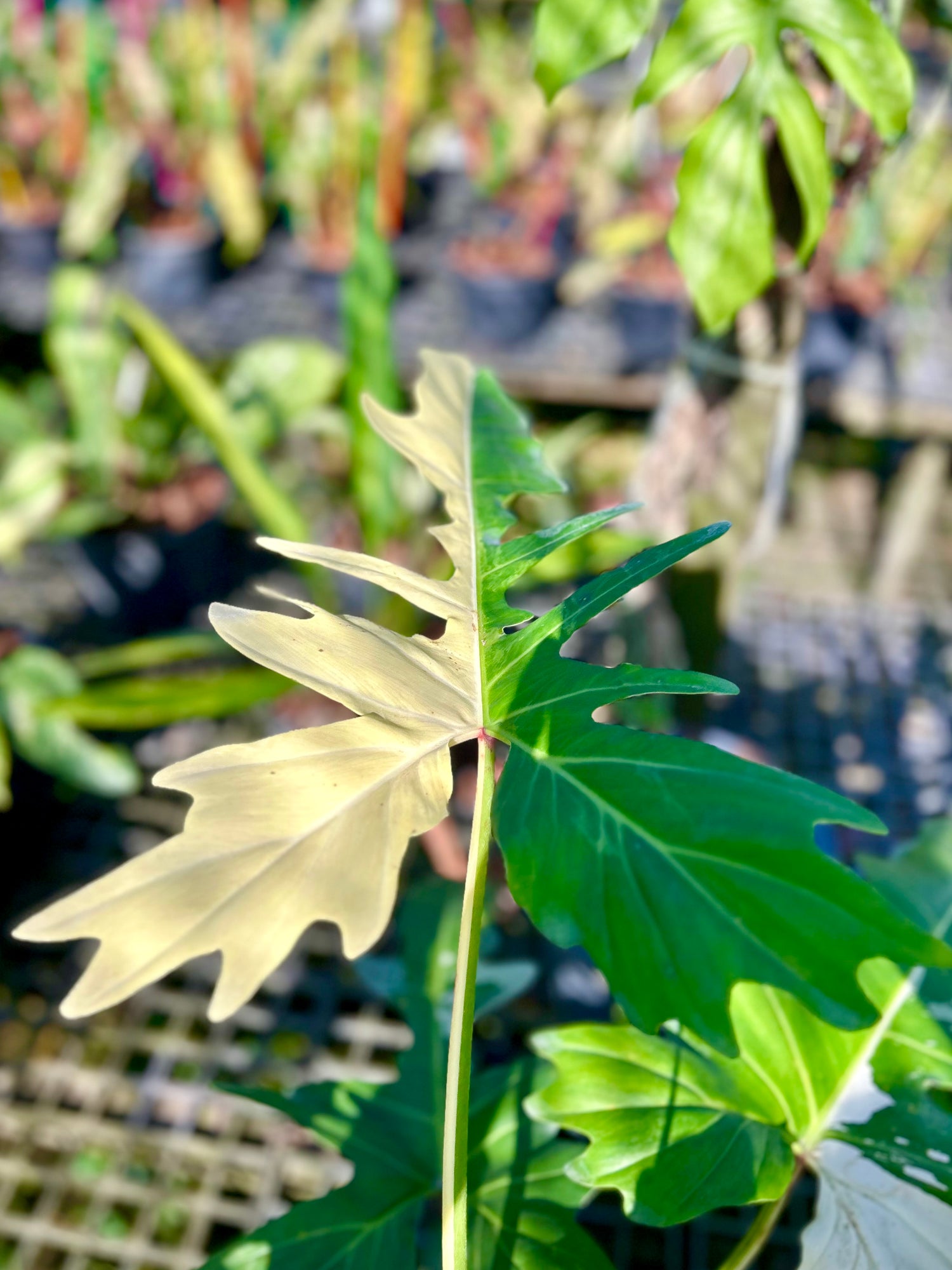


What is the best substrate for Monstera?
What is the best substrate for Monstera?
Why the choice of substrate is crucial
When growing Monstera deliciosa , the substrate is a crucial factor. Many problems, such as yellowing, stunted growth, or poor leaf fenestration, stem directly from unsuitable soil.
In its tropical environment, the Monstera grows in rich but extremely well-draining forest soil. Water circulates quickly, the roots breathe constantly, and the humidity remains balanced without ever becoming stagnant.
Indoors, especially in Europe, conditions are different. Winter heating, dry air, and inconsistent watering can transform a standard potting mix into a suffocating environment. That's why the best substrate for Monstera must artificially recreate this natural balance.

Universal potting soil or professional substrate?
Universal potting soil is often too compact and too fine. It retains excessive water, compacts over time, and blocks air circulation.
A professional substrate for rare tropical plants, on the other hand, is structured. It contains mineral and organic elements that allow for constant oxygenation of the root system.
The difference is visible in the long term:
A Monstera grown in a well-draining substrate develops wider, more perforated leaves and more regular growth.

Characteristics of the best substrate for Monstera
A high-performing substrate must meet several fundamental criteria.
First, it must offer rapid drainage. Excess water must be able to drain away easily to avoid root asphyxiation.
Next, it must ensure sustained aeration. Roots need oxygen to function properly and absorb nutrients.
Finally, it must maintain consistent humidity without creating saturated areas. This balance prevents water stress and stabilizes growth.
In the context of the cultivation of rare tropical plants in Europe , this technical structure is indispensable.
Ideal composition of a high-performing Monstera substrate
A professional blend combines several complementary elements.
Buffered coconut chips provide a stable organic base. They retain moisture in a controlled manner without causing saturation.
Large-caliber pumice improves drainage and maintains permanent air pockets in the mixture. It limits compaction and promotes root growth.
Hydroponic clay pebbles stabilize the structure and ensure even water distribution.
Biochar contributes to the biological balance of the substrate and supports long-term root health.
Small-caliber maritime pine bark enhances aeration and mimics tropical forest soils.
Perlite lightens the mixture and optimizes air/water exchange.
This combination creates a dynamic root environment, perfectly suited to high-end houseplants .
Should a drainage layer be added?
Yes, especially if you want to secure your watering system.
Installing an active drainage base at the bottom of the pot greatly improves water drainage and reduces the risk of stagnation.

Take advantage of the drainage layer by clicking here:
https://greenandwhiteplants.com/products/couche-drainante-active
This step is particularly recommended when repotting.
When should you change the substrate of your Monstera?
Monstera repotting should generally be done every two years. If the roots are growing out of the pot or if growth slows down despite good light conditions, it's time to take action.
An old substrate gradually becomes compacted and loses its drainage capacity. Renewing it helps to stimulate root growth and improve overall vigor.
Take advantage of the substrate by clicking here:
https://greenandwhiteplants.com/products/substrat-monstera-professionnel
You can also view the complete collection:
https://greenandwhiteplants.com/collections/substrats
How can you tell if your substrate is unsuitable?
Some signs are unmistakable.
Leaves that regularly turn yellow, slowed growth, or a persistent musty smell in the pot often indicate a drainage problem.
If the surface remains wet for several days after watering, the mixture is probably too compact.
In this case, switching to a professional drainage substrate is often the most effective solution.
Does the best substrate depend on the European climate?
Absolutely. In Europe, the alternation between cold seasons and periods of heating greatly alters the water balance of the pot.
A substrate too rich in peat can become stifling in winter. Conversely, a mix that is too light can dry out too quickly in summer.
A technical substrate designed for rare tropical plants takes these variations into account and ensures stability throughout the year.
Conclusion: Investing in root health
The best substrate for a Monstera is one that respects its natural functioning while adapting to European conditions.

A professional, well-draining, and aerated substrate transforms your plant's cultivation. It reduces risks, improves growth, and promotes the development of large, spectacular leaves.
Discover the right solution here:
https://greenandwhiteplants.com/products/substrat-monstera-professionnel
Explore the complete collection:
https://greenandwhiteplants.com/collections/substrats
Add a drainage layer for maximum safety:
https://greenandwhiteplants.com/products/couche-drainante-active
Join our community of rare tropical plant enthusiasts on Instagram:
https://www.instagram.com/greenandwhite_plants/ 🌿