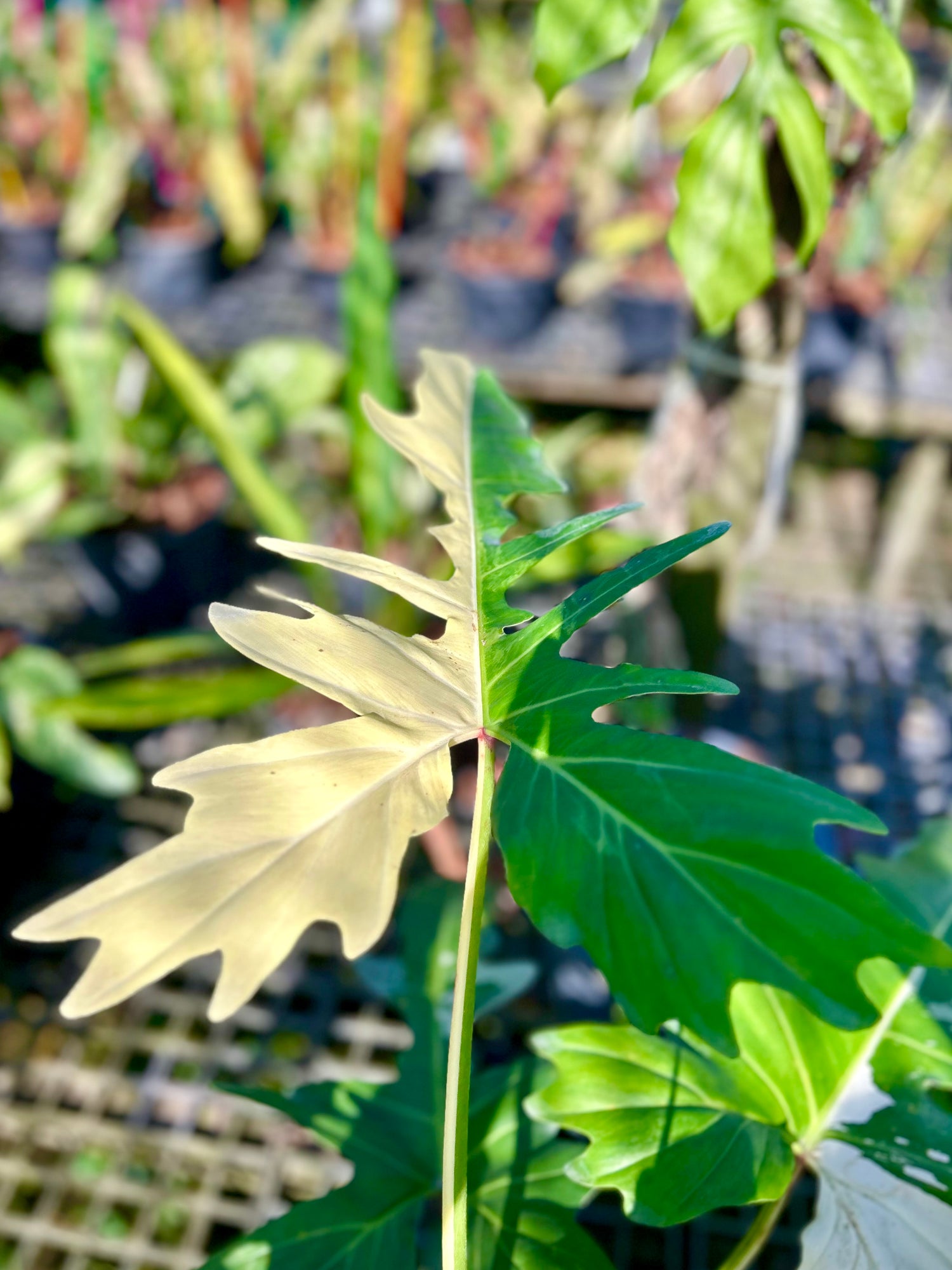


Where to place a Begonia?
Where to place a Begonia?
Understanding the needs of the Begonia
The Begonia is a plant native to the humid tropical regions of South America, Africa, and Asia . In nature, these plants typically grow under the canopy of tropical forests, where light is filtered by the trees.
This means they are suited to bright but indirect light , rather than direct sunlight.
Choosing the right location is therefore crucial for maintaining a healthy plant. A location that is too dark will slow growth and dull the foliage. Conversely, too much direct sunlight can burn the leaves.
Finding the right light balance is therefore essential for successfully cultivating these rare tropical plants in Europe .
The ideal light for a Begonia
Most Begonias prefer bright, indirect light . This light allows the plant to produce dense foliage and more intense colors.
A location near a window is generally ideal, provided that the sun's rays do not directly hit the plant during the hottest hours of the day.
East- or west- facing windows often offer the best conditions. They provide soft light in the morning or late afternoon, while avoiding the intensity of the midday sun.
Some varieties with very colorful foliage, such as Begonias with decorative foliage, particularly require good light to retain their patterns and contrasts.
Locations to avoid
Certain positions in the house can be detrimental to the health of the Begonia.
Direct sunlight, especially through a window in summer, can cause leaf burn . Leaf tissues are often thin and delicate and do not tolerate intense light well.
Very dark locations should also be avoided. A lack of light can lead to slowed growth, paler foliage, and sometimes a lack of flowering.
Areas exposed to drafts can also disturb the plant. Begonias prefer a stable environment with little temperature variation.
Temperature and environment
Begonias thrive best at temperatures around 18°C .
This plant thrives in a stable environment and dislikes sudden temperature changes. Rooms that are too cold or areas near a direct heat source can disrupt its growth.
In winter, when the plant enters a period of rest, it can tolerate a slightly cooler temperature as long as the environment remains bright.
The importance of a suitable substrate for the location
Even if the location is good, a Begonia grown in an unsuitable substrate will struggle to develop properly.
A substrate for Begonia must offer a balance between moisture retention, aeration, and drainage.
A balanced mixture can consist of several complementary elements.
Buffered coconut fiber enriched with Trichoderma provides a stable organic base that maintains controlled moisture and supports beneficial microbial life for the roots.
Biochar contributes to the microbiological balance of the substrate and participates in its natural purification.
Buffered coconut flakes improve the overall structure of the mixture.
Small-caliber maritime pine bark promotes aeration and oxygenation of the roots.
Perlite , hydroponic clay pebbles and large-caliber pumice ensure efficient drainage and limit substrate compaction.
New Zealand sphagnum moss maintains gentle moisture around the roots.
This combination allows us to recreate an environment similar to the tropical soils in which Begonias naturally grow.
Choose a substrate suitable for Begonias
To ensure healthy growth of your tropical plants, it may be beneficial to use substrates specifically designed for each type of plant.
Discover different substrates suitable for tropical plants:
https://greenandwhiteplants.com/collections/substrats
You can also consult a mix specifically designed for Begonias:
https://greenandwhiteplants.com/products/substrat-begonia-professionnel
These substrates allow for the recreation of ideal conditions for root development and foliage growth.
Adapt the location according to the seasons
The light requirements of a Begonia can vary slightly depending on the season.
In summer, when the light is more intense, it may be necessary to move the plant slightly away from a window to avoid burning.
In winter, when light is weaker, moving the plant closer to a light source can help maintain balanced growth.
Observing the plant remains the best indicator. Vigorous and colorful foliage generally indicates that the chosen location is suitable.
The Begonia in interior design
Thanks to their varied shapes and spectacular foliage, Begonias have become very popular in plant decoration.
Varieties with decorative foliage are particularly popular for creating indoor green spaces . Placed near a window or on a bright shelf, they bring an elegant tropical touch.
In the world of rare tropical plants , certain varieties are sought after for their unique patterns and amazing textures.
An easy plant to incorporate into your home
With a suitable location, a balanced substrate and controlled watering, the Begonia becomes a relatively simple plant to grow.
Its diversity of shapes and colors makes it easy to integrate into many decorating styles, while enjoying the beauty of its leaves and flowers.
These qualities make it an essential plant for lovers of rare tropical plants in Europe .
Join us on Instagram
To discover our tropical plants, growing tips and specialized substrates, join us on Instagram:
https://www.instagram.com/greenandwhite_plants/