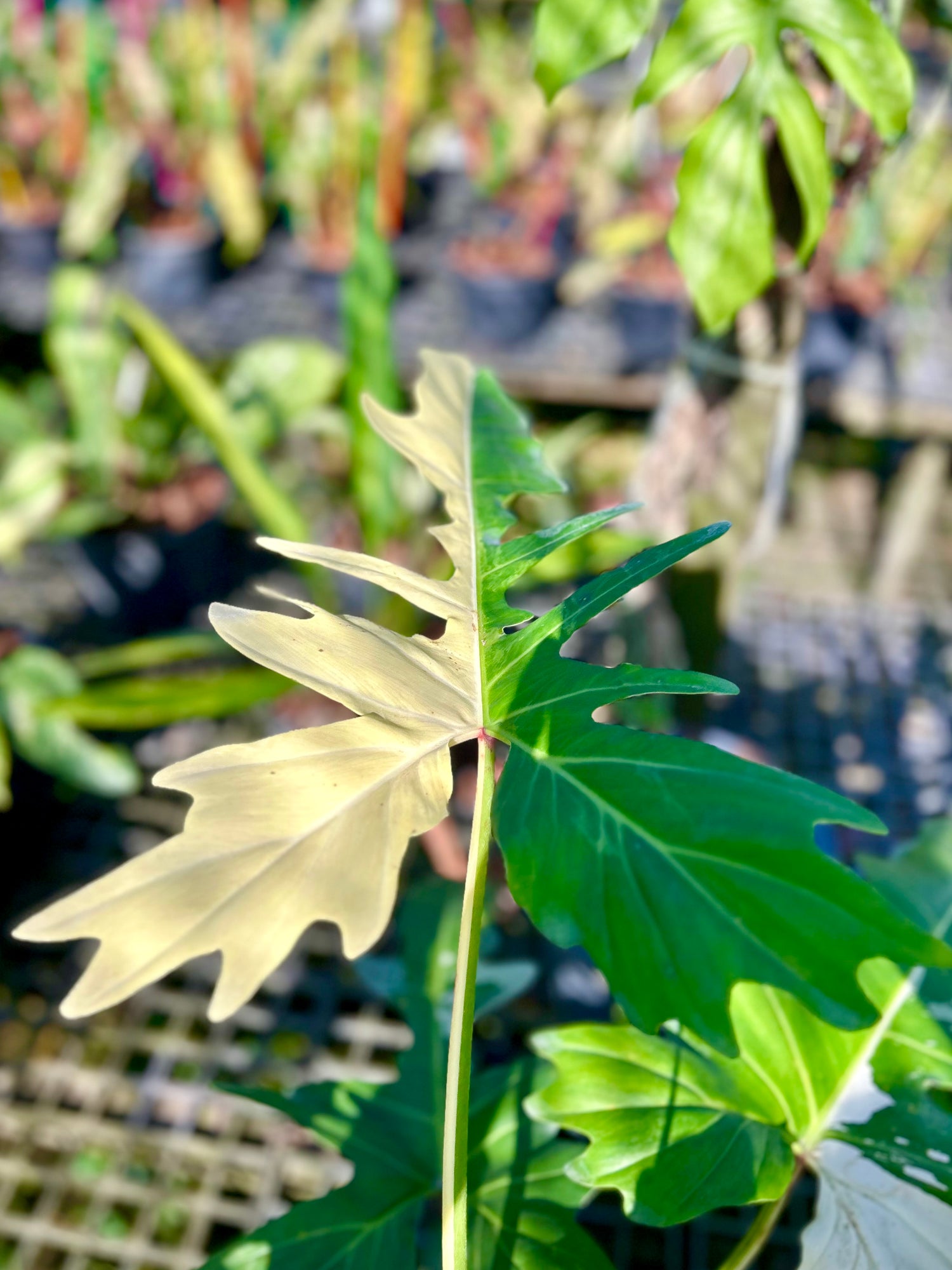


Best potting soil for houseplants
Best potting soil for houseplants
Why choosing the right potting soil is crucial for houseplants
Houseplants , and especially rare tropical plants , depend entirely on their substrate to thrive. Unlike plants grown outdoors, their roots have only a limited volume to absorb the water and nutrients necessary for their growth.

Potting soil for houseplants therefore plays a fundamental role. It provides support for the roots, regulates humidity, and allows air circulation in the pot.
An unsuitable substrate can quickly lead to imbalances. A structure that is too compact limits root oxygenation and promotes excess moisture. Conversely, a mix that is too free-draining can dry out too quickly and cause water stress.
For tropical plants grown indoors , it is therefore essential to use a substrate capable of maintaining a balance between humidity and aeration.
The characteristics of the best potting soil for houseplants
The best potting soil for houseplants must have several characteristics to ensure an optimal environment for the root system.
The first characteristic is balanced water retention . The substrate must be able to retain sufficient moisture to nourish the plant between waterings.
The second characteristic is efficient drainage . Excess water must be able to drain easily to avoid stagnation around the roots.
Aeration of the substrate is also essential. The roots of tropical plants need oxygen to develop properly.
Finally, the stability of the mixture over time is an important factor. A quality substrate should retain its structure despite repeated watering and not compact.
These elements help to create a healthy root environment that is favorable to the growth of rare tropical plants indoors .
The components of a professional substrate for tropical plants
A professional substrate for indoor plants relies on the combination of several complementary elements that ensure the balance of the mixture.
Buffered coconut fiber enriched with Trichoderma forms the base of the substrate. It retains moisture while supporting biological activity around the roots.
Hydroponic clay pebbles contribute to the stability of the mixture and facilitate moisture management in the pot.
Small-caliber maritime pine bark promotes substrate aeration and allows roots to benefit from better oxygenation.
Biochar contributes to the microbiological balance of the substrate and participates in the natural purification of the environment.
Buffered coconut chips improve the overall structure of the mix and add flexibility to the substrate.
The large caliber pumice ensures efficient drainage and allows water to circulate easily in the pot.
Finally, perlite limits substrate compaction and facilitates air and water exchange around the roots.
This type of mix offers ideal conditions for growing tropical plants indoors .

How to recognize a good potting soil for houseplants
It is not always easy to determine if a potting mix for houseplants is actually suitable for the needs of tropical plants.
A good substrate should remain light and airy. When you handle it, it should have an irregular structure made up of different elements that allow air to circulate.
After watering, the water should be able to drain easily without creating stagnation in the pot.
A well-balanced substrate also allows the roots to develop quickly. A plant grown in a good substrate generally exhibits steady growth and dense foliage.
When should you change the soil of a houseplant?
Even the best potting soil for houseplants eventually changes over time. Repeated watering and root development gradually alter the structure of the substrate.
Certain signs may indicate that it is time to renew the substrate.
• the roots emerge through the drainage hole
• plant growth slows down
• The substrate dries very quickly

In these situations, repotting allows the root environment to be renewed and provides better growing conditions for the plant.
Repotting is usually done in early spring, when the plant resumes its active growth phase.
Where to find the best substrate for tropical plants
To grow rare tropical plants , it is important to use a substrate specifically designed for their needs.
Discover our collection of substrates adapted to different types of tropical plants:
👉 https://greenandwhiteplants.com/collections/substrats
If you are looking for a mix specifically designed for tropical houseplants , you can also check out our professional substrate:
👉 https://greenandwhiteplants.com/products/substrat-plantes-interieur-professionnel-pepiniere
These substrates are developed to offer an optimal balance between drainage, aeration and water retention.
And to discover even more rare tropical plants , growing tips and new products, join us on Instagram: