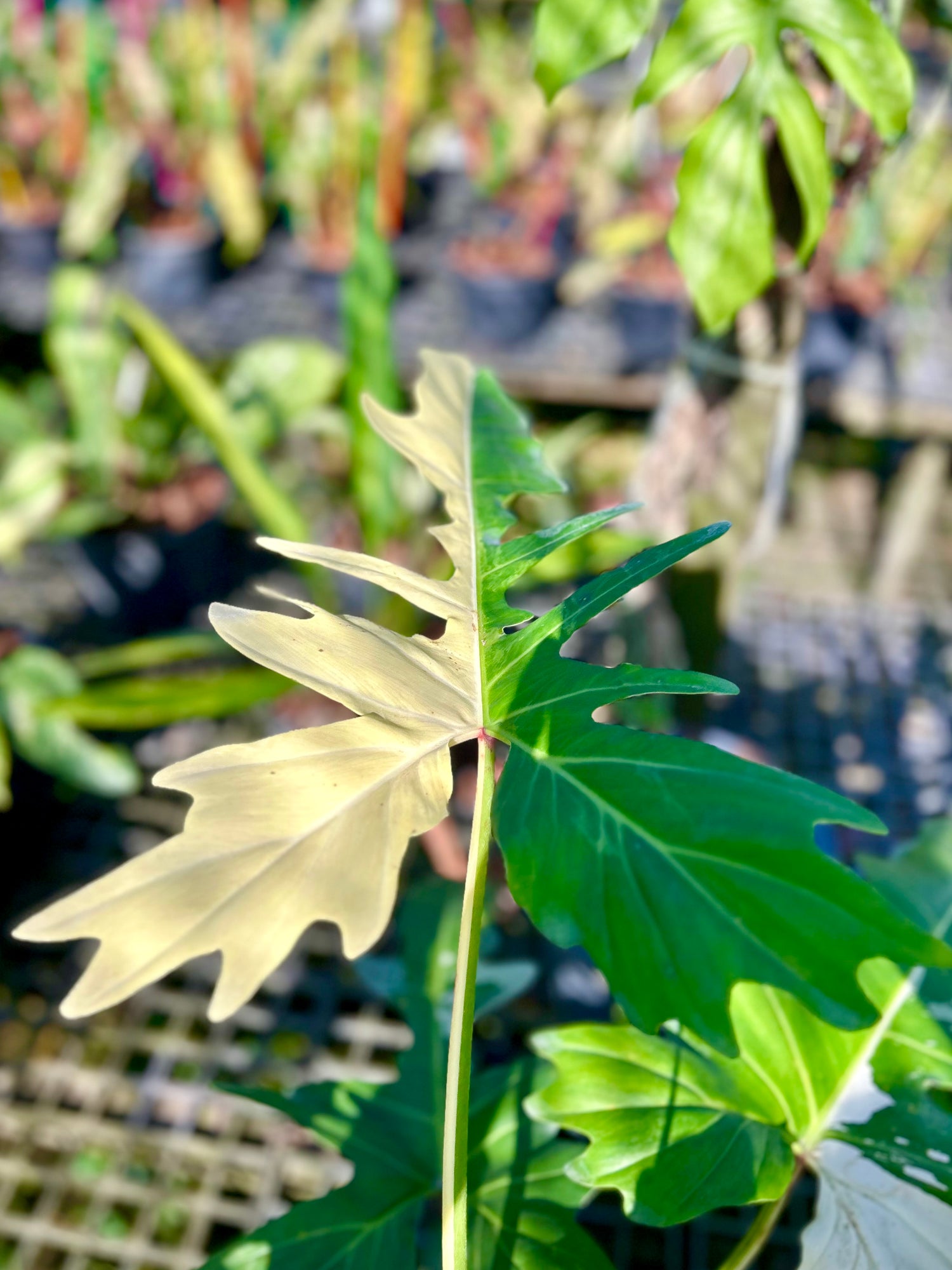


Begonia potting soil buying guide
Begonia potting soil buying guide
Why choosing the right potting soil is essential for a Begonia
The begonia is a tropical plant renowned for its decorative leaves and colorful blooms. Yet, despite its popularity, many gardeners encounter difficulties cultivating it. The most frequent cause is often an unsuitable substrate .
Unlike some hardy plants, begonias have relatively fine and sensitive roots. These roots need a balanced environment: sufficiently moist to develop, but never waterlogged.
Overly compacted potting soil can quickly lead to root asphyxiation , while overly draining substrate can cause rapid drying. The goal is therefore to find a mixture capable of retaining moisture while ensuring excellent air circulation .
In the cultivation of rare tropical plants in Europe , this balance is particularly important because climatic conditions differ greatly from those of the tropical regions of origin.
The characteristics of a good potting mix for Begonias
A substrate intended for Begonias must replicate the natural conditions in which these plants grow. In their native habitat, the roots develop in soils rich in organic matter, often composed of plant debris and decomposing matter.
To recreate this environment in cultivation, a good substrate must have several characteristics.
A light and airy structure
The structure of the substrate plays a fundamental role. The roots must be able to develop easily without encountering compacted areas.
A well-structured substrate allows for:
-
optimal oxygenation of the roots
-
improved air circulation
-
more vigorous root growth
This ventilation also reduces the risk of diseases related to stagnant humidity.
Controlled moisture retention
Begonias appreciate a substrate that maintains a gentle and constant moisture , without becoming waterlogged.
A mixture that retains water gradually helps prevent abrupt changes between drought and overwatering. This stability promotes steady growth and healthy foliage.
Effective drainage
Drainage is one of the most important aspects of growing Begonias. Excess water in the substrate can quickly lead to root rot , especially in rhizomatous varieties.
A well-draining substrate allows for:
-
to drain excess water
-
to preserve root oxygenation
-
to limit the risk of fungal diseases
The ideal substrate composition for Begonia
To obtain a balanced substrate, several complementary materials can be combined to create a stable and breathable structure.
Buffered coconut fiber enriched with Trichoderma provides a particularly interesting organic base. It offers controlled moisture retention while promoting beneficial biological activity for the root system.
Biochar contributes to the natural purification of the substrate and participates in the microbiological balance of the mixture.
Buffered coconut chips improve the flexibility of the substrate and contribute to its overall structure.
Small-caliber maritime pine bark promotes aeration and oxygenation of the roots.
Perlite helps to limit substrate compaction and facilitates air-water exchange.
Hydroponic clay pebbles stabilize the entire mixture while regulating humidity.
New Zealand sphagnum moss helps maintain gentle and constant moisture around the roots.
Finally, the large-caliber pumice ensures efficient drainage while maintaining a good substrate structure.
The combination of these elements creates a root environment perfectly suited to the cultivation of Begonias.
Buy a substrate suitable for Begonias
To simplify the cultivation of tropical plants, many growers prefer to use mixtures specially formulated for each type of plant.
These substrates allow for the recreation of a balanced structure between drainage, aeration and moisture retention.
You can discover different substrates suitable for tropical plants here:
https://greenandwhiteplants.com/collections/substrats
If you are looking for a mix specifically designed for Begonias, you can consult:
https://greenandwhiteplants.com/products/substrat-begonia-professionnel
These substrates allow us to recreate conditions close to those that Begonias encounter in their natural environment.
How to recognize a poor quality substrate
Certain signs allow you to quickly identify a substrate that is unsuitable for Begonias.
A mixture that is too compact or too fine retains excessive water and limits air circulation around the roots.
A substrate that compacts quickly in the pot can also cause poor root oxygenation. Over time, this leads to slowed growth and weakened plant.
In these situations, repotting in a more structured substrate often helps to restart the growth of the Begonia.
Choosing the right pot to match the substrate
The choice of pot is also important to ensure the effectiveness of the substrate.
A pot should always have drainage holes , allowing water to flow freely after watering.
Terracotta or draining plastic pots are particularly suitable for growing Begonias.
The pot should be slightly larger than the plant's root ball, to allow the roots to develop without the substrate remaining wet for too long.
Watering a potted Begonia properly
Even with an excellent substrate, watering must remain appropriate.
Begonias appreciate a slightly moist substrate but never a waterlogged one .
During the growing period, watering once or twice a week is usually sufficient.
It's always best to check the moisture level of the substrate before watering again. If the surface is still damp, it's best to wait a few days.
Using water at room temperature is recommended to avoid thermal shock to the roots.
A suitable substrate for successfully growing tropical plants
The choice of substrate is often what makes the difference between a plant that survives and one that truly thrives.
With a balanced mix and proper care, Begonias can produce spectacular foliage and abundant flowering.
Today they are among the most appreciated plants in the world of rare tropical plants in Europe , particularly for their graphic foliage and their very varied shapes.
A well-designed substrate, combined with controlled watering and good light exposure, allows these plants to be successfully cultivated for many years.
Join us on Instagram
To discover our advice, plants and substrates dedicated to rare tropical plants , join our community on Instagram:
https://www.instagram.com/greenandwhite_plants/