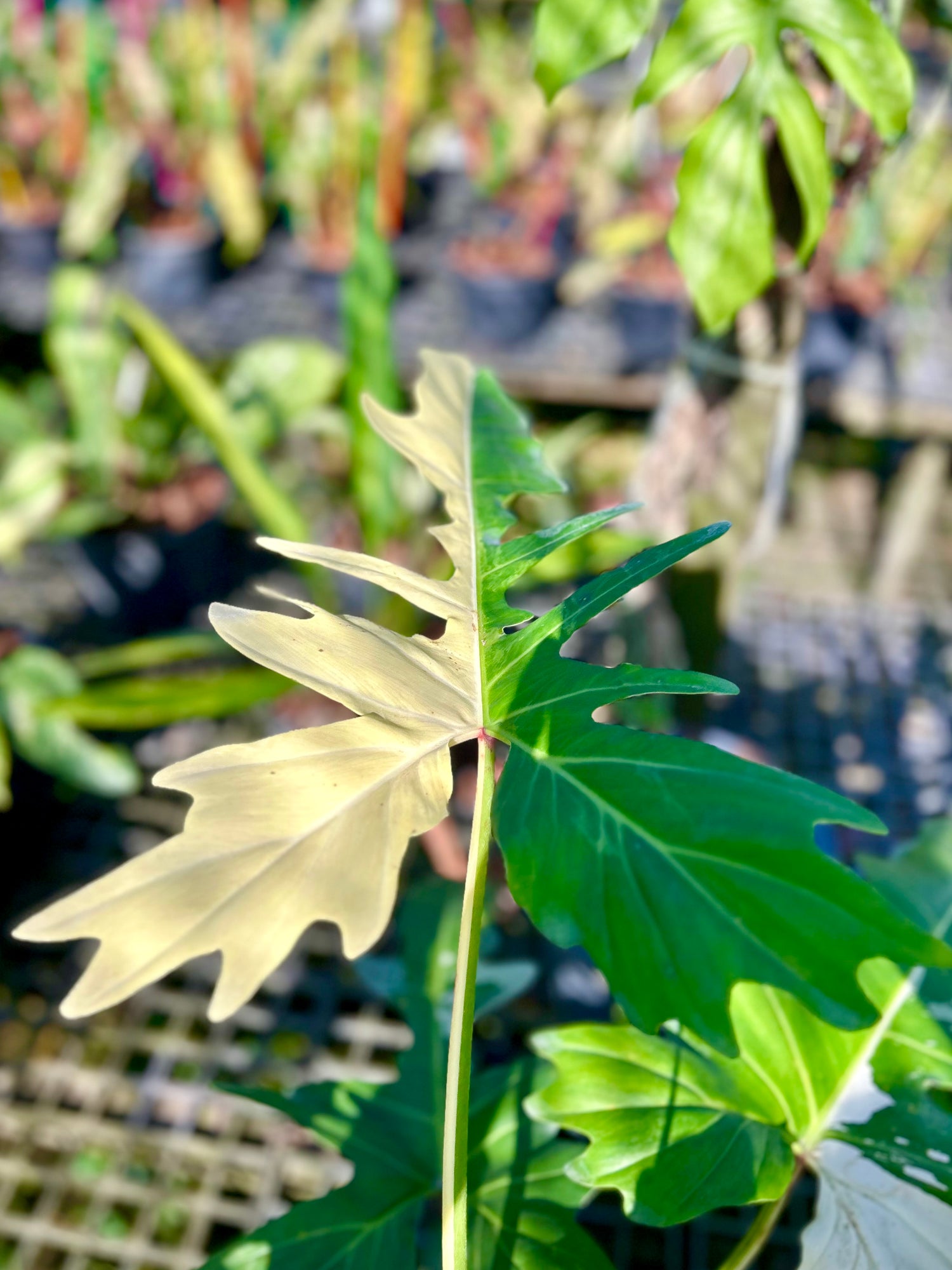

How to properly care for your Begonia?
How to properly care for your Begonia?
Understanding the Begonia to improve your interview
The Begonia family encompasses an immense diversity of plants: some remain compact, while others take on a more shrubby form. Many species have asymmetrical foliage , sometimes waxy and fragile, and highly variable flowering (white, yellow, salmon, orange, pink, red… but no blue or mauve).
This point is crucial: despite their variety, most begonias share a common sensitivity to overwatering . When grown in pots (the most common method in Europe), everything hinges on the balance between consistent moisture and drainage .
Light: the right location for a Begonia indoors and outdoors
As a general rule, begonias love bright light but dislike direct sunlight , especially behind a window in summer. For daily care, remember this simple rule: the more decorative and delicate the foliage, the more you should favor indirect light.
Indoors, the ideal location is an east- or west-facing window, with a light curtain if the sun is strong. Outdoors, a partially shaded spot works very well, and some varieties even thrive in dappled shade.
Temperature and stability: a key point for maintaining perfect foliage
Begonias prefer a stable temperature of around 18°C during their active period. They dislike both drafts and sudden temperature changes.
After flowering, when the plant slows down, you can move it to a bright but cooler location. This helps respect its natural rhythm and avoids overwatering when growth slows.
Watering: regular, but never “too much”
Begonias require regular watering… but they don't tolerate overwatering well. The goal isn't to soak the pot: it's to keep the soil slightly moist , but not saturated.
Some best practices:
-
Water preferably in the morning or late afternoon, never in direct sunlight.
-
Use water at room temperature .
-
Avoid wetting the foliage: Begonias hate sprays on the leaves.
-
Allow the surface of the substrate to dry slightly between waterings.
To check if your Begonia is thirsty, stick a finger into the soil: if it's dry a few centimeters down, you can water it. If it's still damp, wait.
Humidity: aim for balance, not jungle
Begonias thrive in moderate and stable humidity, especially indoors in heated environments. However, be careful: increasing humidity should never come at the expense of ventilation. Excessive humidity, combined with stagnant air, promotes disease.
The best strategy: a substrate that manages humidity well + a properly ventilated room (without direct cold drafts on the plant).
The substrate: the basis of a vigorous Begonia
Good care begins with a substrate for Begonia that is consistent with its needs: light , airy , draining , but capable of maintaining gentle humidity.
Your blend is specifically designed for this purpose, by combining:
-
a stable organic base with buffered coconut fiber enriched with Trichoderma (controlled moisture retention + biological support)
-
biochar (microbiological balance and natural purification)
-
structural elements such as coconut chips and pine bark (root aeration and oxygenation)
-
drainage and anti-compaction components such as perlite , hydroponic clay pebbles and pumice (effective drainage without drying out)
-
sphagnum moss for more consistent moisture around the roots
This combination helps to limit two common risks: substrate compaction and water stagnation, which are responsible for many failures with begonias, especially rhizomatous forms.
Repotting: when and how to do it
Repotting is ideally done when the plant resumes its growth (often in spring). A potted plant benefits from regular replenishment of the potting mix, as it compacts over time.
Choose a pot with drainage holes (terracotta or plastic). The pot should be slightly larger, but not excessively so: a pot that is too large retains moisture for too long and can increase the risk of root rot.
After repotting: water to settle the substrate, then leave the plant alone for a few days to allow the roots to stabilize.
Pruning and routine maintenance: dead flowers, leaves, compact shape
The most cost-effective action is simple: remove faded flowers as they appear. This stimulates the plant, prolongs flowering, and maintains a tidy appearance.
If you are growing bushy begonias, lightly pinching the young shoots can help to achieve a more compact, denser, and often more aesthetically pleasing shape.
Fertilization: feeding without forcing
During the growing season, a regular application of moderately dosed flowering plant fertilizer supports both blooms and foliage. Over-fertilization can weaken the plant; consistency is key.
When the plant slows down (after flowering or in cooler periods), reduce significantly: the plant consumes less, and excess nutrients can unbalance the substrate.
Diseases and pests: prevention is better than cure
Begonias can be affected by pests or diseases, especially if the humidity is too high and the ventilation insufficient.
-
Slugs particularly like certain begonias (especially low-growing ones).
-
Fungal diseases such as botrytis (leaves that yellow, dry out, fall off) and powdery mildew (white down) appear more easily in a humid atmosphere.
You can act gradually: improve ventilation, adjust watering, and remove affected parts quickly.
Signals to watch for (short list):
-
Yellowing leaves + prolonged damp substrate
-
white down under the leaves ( powdery mildew )
-
soft areas at the collar or a "musty" smell (excess water)
-
nibbled leaves (often gastropods )
Simple interview checklist for success (short list)
-
Bright light without direct, scorching sunlight
-
Water regularly , but never let the substrate become waterlogged.
-
Pot with drainage + structured begonia substrate
-
Stable temperature, no drafts
-
Remove wilted flowers, monitor humidity and ventilation
To go further with a suitable substrate Begonia
If you are growing several rare tropical plants , ideally you should choose a mix designed for each type, in order to have healthy roots and stable growth:
👉 https://greenandwhiteplants.com/collections/substrats
And if you would like a solution specifically designed for Begonias (structure, drainage, gentle humidity):
👉 https://greenandwhiteplants.com/products/substrat-begonia-professionnel
Join us on Instagram
To discover our advice, new arrivals and tips about rare tropical plants in Europe , join us here:
https://www.instagram.com/greenandwhite_plants/