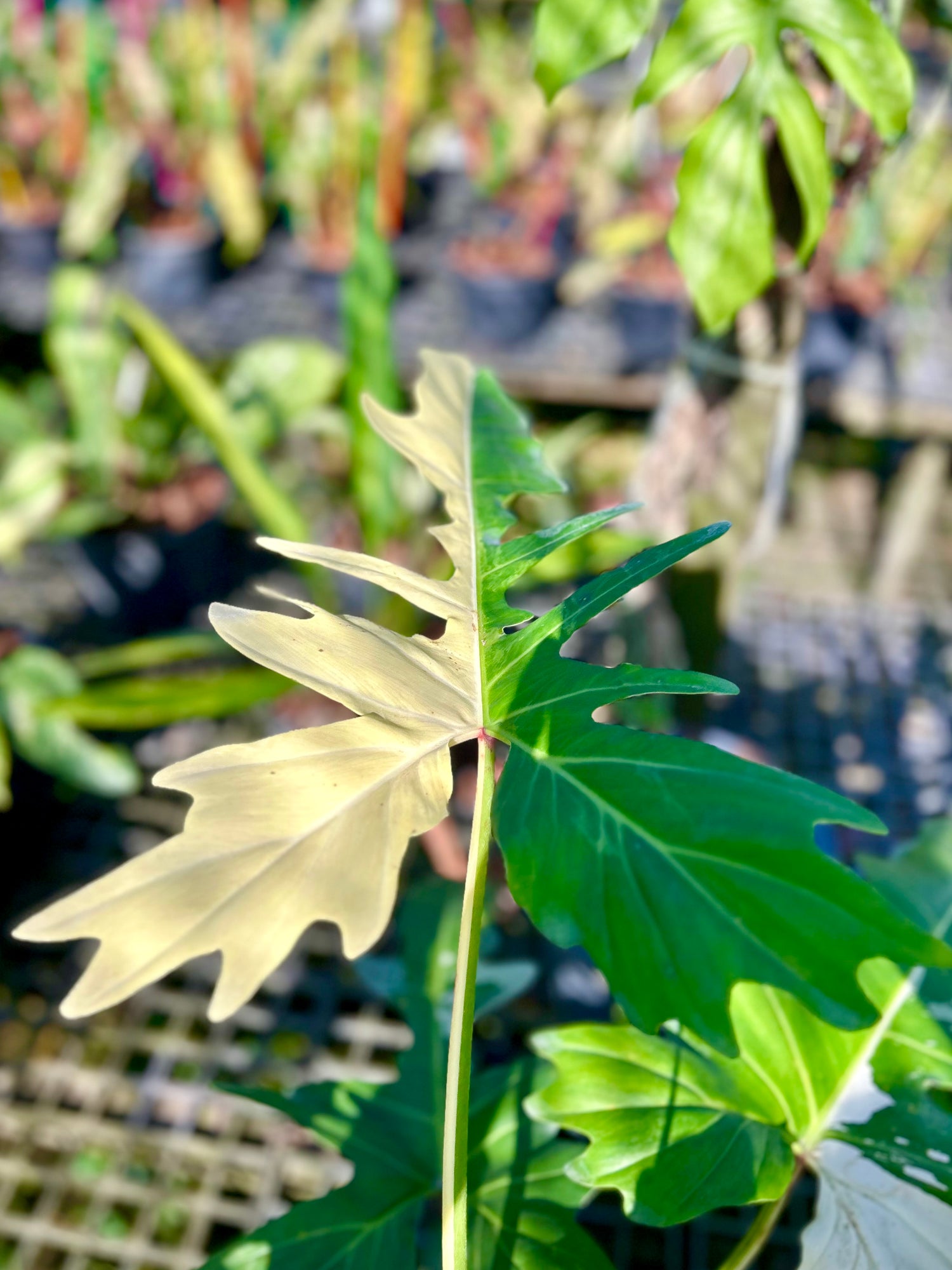

How to properly care for your anthurium?
How to properly care for your anthurium?
Understanding the natural needs of the anthurium
The anthurium originates from the tropical forests of Central and South America. In its natural environment, this plant grows in very humid areas where light is abundant but filtered by the canopy.
This origin explains its specific cultivation needs. To thrive indoors, the anthurium needs soft light, relatively high ambient humidity, and a perfectly draining substrate.
When grown in good conditions, the anthurium develops dense, glossy foliage that beautifully showcases its spectacular flower clusters. The spathes can remain decorative for several weeks, and the plant can produce new flowers throughout the year.
Caring for this rare tropical plant remains relatively simple provided that a few essential rules are followed.
Where to place an anthurium in the house
Light plays a central role in the growth of tropical indoor plants .
Anthuriums thrive in bright locations but cannot tolerate direct sunlight. Direct rays can burn the leaves and cause discoloration of the foliage.
Ideally, place your plant near a well-lit window, but protected by a curtain or positioned slightly back from the window.
The temperature should remain relatively stable throughout the year. A temperature between 18 and 22 °C is generally ideal for growing anthuriums.
It is also best to avoid cold drafts and sudden temperature changes which can stress the plant.
The importance of the substrate for anthurium care
The substrate plays a vital role in the health of anthuriums. The roots of this tropical species need a very well-aerated environment to develop properly.
A substrate that is too compact or poorly drained can quickly lead to excess moisture around the roots. This can cause them to rot and slow the plant's growth.
A well-balanced mixture, on the other hand, helps to maintain stable humidity while allowing air to circulate in the pot.
Buffered coconut fiber enriched with Trichoderma provides a stable organic base that retains moisture while promoting root development.
Hydroponic clay pebbles contribute to the stability of the mixture and facilitate moisture management.
Small-caliber maritime pine bark promotes maximum substrate aeration and improves root oxygenation.
The large caliber pumice allows for efficient drainage and prevents excess water.
Biochar helps to maintain a microbiological balance that is favorable to the root system.
Finally, perlite limits substrate compaction and improves air-water exchange around the roots.
This combination of elements makes it possible to obtain a substrate perfectly suited to the cultivation of tropical anthuriums .
How to water an anthurium correctly
Watering is a key element in the care of an anthurium .
During the growing season, the substrate should remain slightly moist. It is important never to let the substrate become completely waterlogged, as the roots are sensitive to excess water.
As a general rule, two to three waterings per week may be necessary during hot periods, while weekly watering is often sufficient during cooler periods.
It is always best to let the surface of the substrate dry slightly between waterings.
• Avoid leaving stagnant water in the saucer
• favor a high ambient humidity
A slightly humid atmosphere promotes the growth of anthuriums and stimulates flowering.
Foliage maintenance
The glossy foliage of the anthurium is one of its main decorative assets. To preserve its aesthetic appearance, it is advisable to clean the leaves regularly.
Dust can accumulate on the foliage and reduce the plant's ability to capture light.
A simple cleaning with a damp sponge helps to keep the leaves clean and promotes gas exchange.
Spraying water on the foliage can also help increase ambient humidity, which is especially beneficial for rare tropical plants .
When to repot an anthurium
Repotting allows you to renew the substrate for anthuriums and to give more space to the roots.
An anthurium can generally be repotted every two years. However, if the roots start to grow out of the pot or if the plant's growth slows down, repotting can be done sooner.
Spring is generally the best time to perform this operation.
Choose a pot slightly larger than the previous one to provide new space for the root system to develop.
Where to find a suitable substrate for anthuriums
To ensure the growth and flowering of rare anthuriums , it is recommended to use a substrate specifically designed for their needs.
Discover our complete collection of substrates suitable for tropical plants:
👉 https://greenandwhiteplants.com/collections/substrats
You can also discover our professional substrate specially designed for anthuriums :
👉 https://greenandwhiteplants.com/products/substrat-anthurium-professionnel
These substrates offer an ideal balance between drainage, aeration and moisture retention.
Providing the best conditions for your anthurium
The care of a tropical anthurium is based on a few simple principles: soft light, controlled watering and a perfectly adapted substrate.
If you want to provide the best growing conditions for your plant, discover our collection of substrates:
👉 https://greenandwhiteplants.com/collections/substrats
Or explore our substrate specially designed for anthuriums :
👉 https://greenandwhiteplants.com/products/substrat-anthurium-professionnel
And to discover our rare tropical plants , our tips and our new arrivals, join us on Instagram: