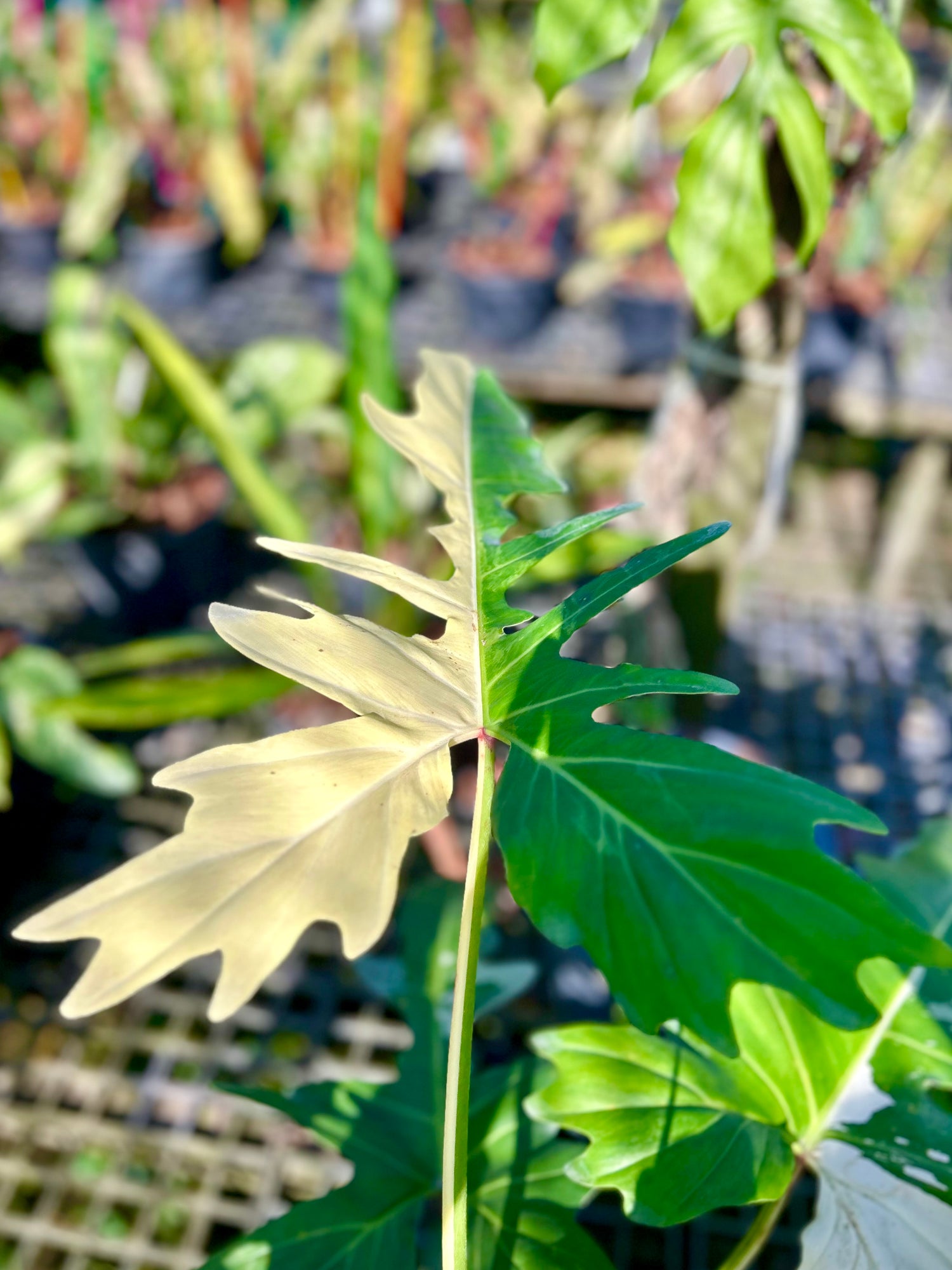


Begonia: repotting, watering and care
Begonia: repotting, watering and care
Understanding the needs of the Begonia
The Begonia belongs to a very large botanical family comprising more than 2000 different species . These plants, native to tropical and subtropical regions, are distinguished by their decorative foliage, unique textures, and sometimes spectacular blooms.
Small begonias are available, suitable for windowsills, but there are also larger species that can reach several meters in height in their natural habitat. Despite these differences, their care is based on a few common principles.
Begonias appreciate:
-
bright but indirect light
-
a light and well-draining substrate
-
moderate and regular humidity
-
a stable temperature
When grown in pots, these parameters become even more important because the roots are entirely dependent on substrate conditions.
Repotting Begonias: an essential step
Repotting allows you to renew the substrate and provide a healthy root environment. Over time, substrates compact, lose their structure, and retain excessive water, which can cause root problems.
It is generally recommended to repot a Begonia once a year , at the time of the resumption of growth in the spring.

When repotting, several points must be observed. The chosen pot should be slightly larger than the previous one to allow the roots to develop. It is also essential that the pot has drainage holes to prevent waterlogging.
Terracotta or plastic pots are very suitable for growing Begonias, provided that the water drainage is efficient.
The steps to a successful repotting
Proper repotting promotes rapid plant recovery.
Here are the essential steps:
-
Carefully remove the plant from its old pot
-
Gently loosen the roots if they are compacted.
-
Place the plant in a new, aerated substrate.
-
fill the spaces around the mound
-
water lightly to stabilize the mixture
After repotting, it is best to leave the plant alone for a few days so that the roots can readjust to their new environment.
The ideal substrate for repotting a Begonia
The substrate for Begonias must be aerated, well-draining, and able to retain moisture . The roots of these plants are sensitive to waterlogging, making the structure of the mix particularly important.
A well-designed substrate relies on several complementary elements.
Buffered coconut fiber enriched with Trichoderma provides a stable organic base that promotes moisture retention while supporting beneficial microbial life for the roots.
Biochar contributes to the microbiological balance of the substrate and participates in the natural purification of the mixture.
Coconut chips and small-caliber maritime pine bark provide structure and improve substrate aeration.
Perlite , hydroponic clay pebbles and large-caliber pumice ensure efficient drainage and prevent compaction of the mixture.
Finally, New Zealand sphagnum moss helps maintain gentle and constant moisture around the roots, which is particularly beneficial for sensitive species.
This balance between aeration, drainage and moisture retention is essential to maintaining a Begonia in perfect health .

Choose a substrate suitable for Begonias
To successfully grow rare tropical plants in Europe , it is often best to use substrates specifically formulated for each type of plant.
You can discover different blends suitable for tropical plants here:
https://greenandwhiteplants.com/collections/substrats
If you are looking for a mix specifically designed for Begonias, you can also check out:
https://greenandwhiteplants.com/products/substrat-begonia-professionnel
These substrates make it possible to recreate an environment close to the natural conditions in which these plants develop.
Watering Begonias: Finding the Right Balance
Watering is often the most delicate step in growing Begonias.
These plants prefer a slightly moist substrate , but they tolerate overwatering very poorly. Excessive moisture can quickly cause root rot , especially in rhizomatous begonias.
Generally, watering once or twice a week is sufficient during the growing season.
It's always best to check the soil moisture before watering again. A simple technique is to insert a finger a few centimeters into the soil. If it feels dry, the plant can be watered.
The water used should ideally be at room temperature , in order to avoid any thermal shock to the roots.
Best practices for watering a Begonia
A few simple steps can help avoid most watering mistakes.
It is best to water in the morning or late afternoon , when temperatures are cooler.
Watering should be done directly into the potting mix, without wetting the foliage. Begonia leaves are often sensitive to stagnant water.
Finally, it is important to always allow excess water to drain through the drainage holes in the pot.
Daily maintenance of the Begonia
The Begonia is a relatively easy plant to care for when its basic needs are met.
Regularly removing faded flowers helps to stimulate the appearance of new flowers and to keep the plant vigorous.
Damaged or yellowed leaves can also be removed to encourage the development of new shoots.
In some cases, pinching young stems can help maintain a compact and harmonious shape.
Fertilization and growth
During the growth period, Begonias benefit from regular nutrient inputs.
A fertilizer for flowering plants can be applied approximately every two weeks during the active growing season.
When the plant enters a resting phase, usually after flowering, inputs should be reduced in order to respect the plant's natural rhythm.
Common illnesses and problems
Begonias can sometimes be affected by certain pests or diseases.
Slugs and snails are particularly attracted to certain species when grown outdoors.
Fungal diseases such as botrytis or powdery mildew can also appear in cases of excessive humidity and poor air circulation.
A good draining substrate, appropriate watering and proper ventilation generally help to greatly limit these problems.
A must-have among tropical plants
Thanks to their spectacular foliage and varied shapes, Begonias now occupy an important place in the world of rare tropical plants in Europe .
Collectors particularly appreciate Begonia Rex , rhizomatous varieties or cane-like begonias, which offer very graphic and decorative foliage.
With regular repotting , a well-structured substrate and controlled watering , these plants can become true centerpieces in a plant collection.
Join us on Instagram
If you'd like to discover more tips on rare tropical plants , suitable substrates, and the care of collector plants, join us on Instagram:
https://www.instagram.com/greenandwhite_plants/