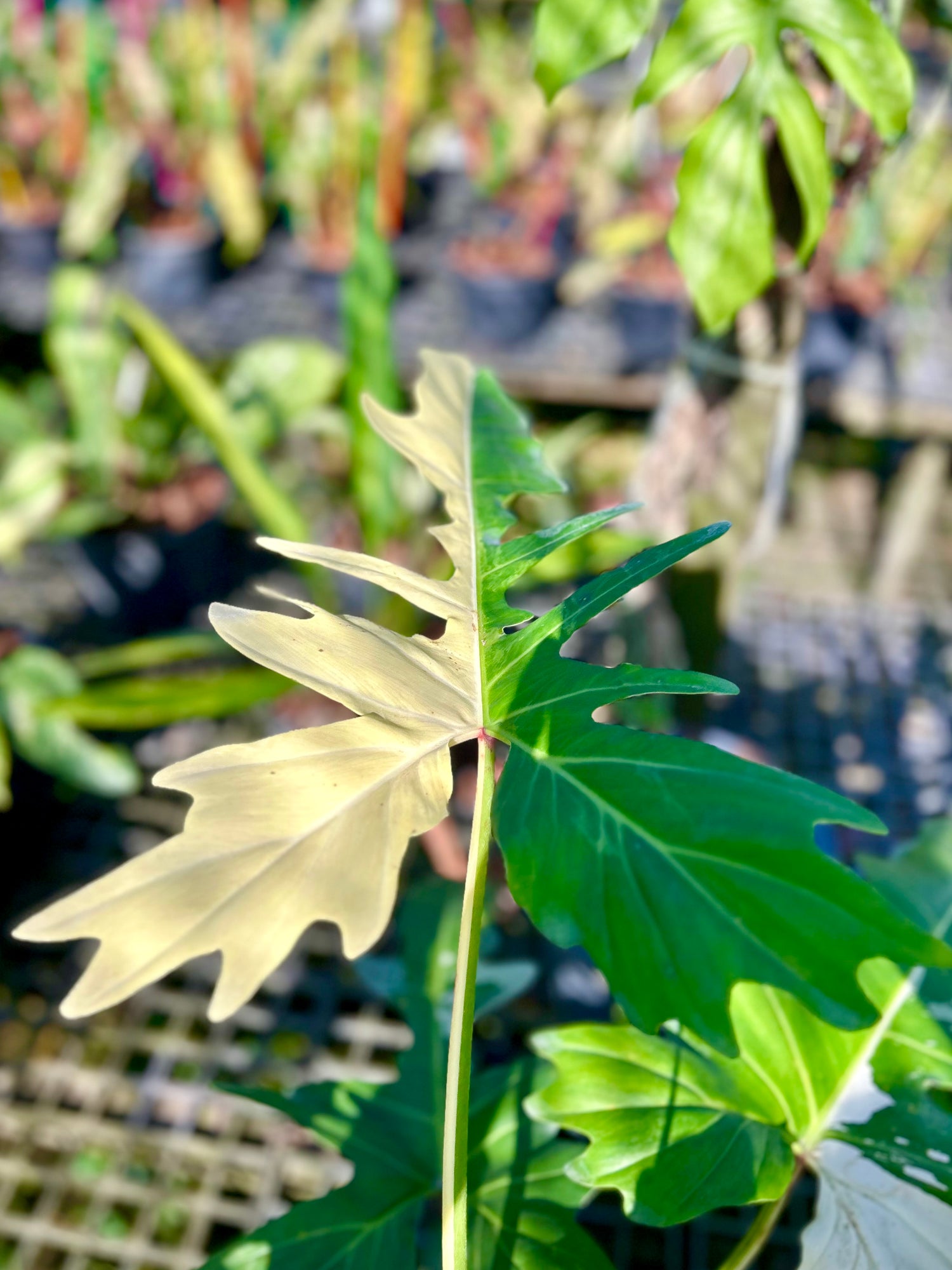


Anthurium: repotting, watering and care
Share
Anthurium: repotting, watering and care
Understanding anthurium cultivation
The anthurium is a tropical plant native to the rainforests of Central and South America. In its natural environment, it grows in a very airy environment where the humidity is constant but never stagnant.

This characteristic explains why anthuriums require a well-draining and aerated substrate when grown in pots. The roots need to be able to breathe and develop in a light environment that replicates the plant's natural conditions.
With proper care, this rare tropical plant develops dense, glossy foliage and regularly produces its famous colorful inflorescences called spathes.
The role of the substrate in anthurium cultivation
The substrate for anthuriums is one of the most important elements for successful cultivation.
A well-structured substrate helps maintain a balance between moisture and drainage. This allows the roots to absorb the necessary water while remaining perfectly oxygenated.
Buffered coconut fiber enriched with Trichoderma provides a stable organic base that maintains balanced moisture and promotes root development.
Hydroponic clay pebbles ensure the stability of the mixture and contribute to the homogeneous management of moisture.
Small-caliber maritime pine bark promotes excellent substrate aeration and improves root oxygenation.
The large caliber pumice ensures efficient drainage and facilitates water circulation in the pot.
Biochar contributes to the natural purification of the substrate and helps maintain a healthy microbiological balance.
Finally, perlite limits the compaction of the mixture and improves the exchange between air and water around the roots.
This type of mixture replicates the ideal conditions for growing tropical anthuriums .
How to water an anthurium correctly
Watering is an essential step in the care of an indoor anthurium .
During the growing season, the substrate should remain slightly moist. However, it is important to avoid overwatering, which could cause root rot.
It is best to water the plant when the surface of the substrate begins to dry out.
During hot or sunny periods, anthuriums may need watering several times a week. In winter, their water needs decrease, and less frequent watering is usually sufficient.

• Never leave standing water in the saucer
• Always check that the substrate remains aerated after watering
Proper watering management helps maintain a healthy root system.
Repotting the anthurium
Repotting the anthurium allows the substrate to be renewed and gives more space to the roots.
Over time, the roots gradually fill the entire volume of the pot. The substrate can also become compacted and lose its structure.
Repotting helps to restore an environment that is favorable to the plant's development.
Spring is generally the best time to repot a tropical anthurium .
Choose a pot slightly larger than the previous one and make sure it has drainage holes.
Carefully remove the plant from its pot, place a layer of substrate in the new container, then place the plant in the center before filling with the mixture.
After repotting, generous watering will allow the substrate to settle around the roots.
Foliage maintenance
The glossy foliage of the anthurium is a major decorative element.
To maintain its aesthetic appearance, it is advisable to clean the leaves regularly. Dust can reduce the plant's ability to absorb light.
A simple cleaning with a damp sponge is usually sufficient to preserve the shine of the foliage.
Spraying water on the leaves can also help maintain a humid atmosphere, which is particularly beneficial for rare tropical plants .
Common problems with anthurium
Although the anthurium is a relatively robust plant, certain cultivation errors can cause problems.
Yellowing leaves are often linked to overwatering. The roots can then lack oxygen, and the plant quickly shows signs of stress.
A lack of light can also prevent flowering.
Finally, an overly dry atmosphere can encourage the appearance of parasites such as spider mites.
Regularly observing your plant allows you to quickly detect signs of imbalance.
Where to find a suitable substrate for anthuriums
To successfully cultivate rare anthuriums , it is recommended to use a substrate specifically designed for their needs.
Discover our complete collection of substrates suitable for tropical plants:
👉 https://greenandwhiteplants.com/collections/substrats
You can also discover our professional substrate specially designed for anthuriums :
👉 https://greenandwhiteplants.com/products/substrat-anthurium-professionnel
These substrates allow you to recreate an ideal root environment for tropical indoor plants .
Give your anthurium the best growing conditions
Success in growing tropical anthuriums depends on a balance between light, watering and substrate quality.
To discover our substrates suitable for tropical plants, explore our collection:
👉 https://greenandwhiteplants.com/collections/substrats
Or discover our substrate specially designed for anthuriums :
👉 https://greenandwhiteplants.com/products/substrat-anthurium-professionnel
And to discover our rare tropical plants , our tips and our new arrivals, join us on Instagram: