

PLANTS
MIX
ROOTS
Terriccio Professionale per Piante da Interno
Terriccio Professionale per Piante da Interno
Ideal for:
Aroids (Monstera, Philodendron, Alocasia), Areca, Pilea, Chlorophytum


Impossibile caricare la disponibilità di ritiro
Formulated and prepared in France 🇫🇷
A versatile substrate developed for most indoor plants.
For more than two years, we tested and refined different formulations between Thailand and France under real growing conditions.
Our goal: create an easy-to-use mix with a balanced combination of moisture retention, aeration, drainage and structural stability.
The high proportion of buffered coco coir helps maintain consistent moisture, while perlite, two grades of pine bark, coconut chips, clay pebbles and biochar provide structure and root aeration.
Each mix is then prepared, quality-checked and packed in our greenhouse near Paris.
Thriving Plant Guarantee — 30 days
We don't just want your plant to survive — we want it to thrive.
If, despite following our recommendations and correctly using our indoor plant substrate, your plant experiences an irreversible decline, contact us.
We will first guide you in an attempt to stabilise and recover your plant.
If it still cannot be saved, our guarantee provides:
- Refund of your substrate order
- A replacement plant worth up to €100 per order as store credit, usable on one or multiple plants
Main conditions:
- Use the mix exactly as received, without additions or mixing with another substrate
- Use this substrate for a plant compatible with a versatile indoor plant mix
- Follow our main growing and watering recommendations
- The purchase must have been made directly on greenandwhiteplants.com
Still unsure? Read our customer reviews .
How to use the indoor plant substrate
A versatile mix designed to simplify repotting while providing roots with a balanced growing environment.
It combines good moisture retention with enough aeration to prevent a dense growing medium from remaining constantly waterlogged.
For future watering, generally allow the surface to begin drying before watering again. Frequency should always be adjusted to the plant, season, light, temperature and pot size.
Indoor plant substrate composition
A versatile formula combining moisture retention, porosity and structural components in different particle sizes.
Forms the base of the mix and helps maintain consistent moisture while keeping the substrate light.
Increases porosity, keeps the mix light and reduces compaction around the roots.
Stabilise the structure and support even air and water circulation.
Provides finer structure around the root zone and improves aeration throughout the mix.
Creates larger air spaces and provides long-lasting structure to the substrate.
Complement the structure of the mix and create additional spaces between the different ingredients.
Its porous structure complements the mix and helps maintain a stable rooting environment.


WHAT THEY THINK
We changed their substrate. Apparently, their roots had a few things to say.
Monstera
Finally, a substrate with enough air. My roots had almost forgotten what breathing felt like.
Alocasia
Moist, but not waterlogged. Airy, but not dry. Finally, someone read my requirements.
Anthurium
Drainage, moisture, oxygen… my aerial roots are asking if they can move in too.
Philodendron
A coarse substrate, plenty of air around the roots… great, now give me a two-metre pole.
Homalomena
It stays fresh without turning into a swimming pool. I really wasn't asking for much.
Baby Plant
Yesterday I was in a flask. Today I have my own pot. Life moves fast.
Monstera
Finally, a substrate with enough air. My roots had almost forgotten what breathing felt like.
Alocasia
Moist, but not waterlogged. Airy, but not dry. Finally, someone read my requirements.
Anthurium
Drainage, moisture, oxygen… my aerial roots are asking if they can move in too.
Monstera
Finally, a substrate with enough air. My roots had almost forgotten what breathing felt like.
Alocasia
Moist, but not waterlogged. Airy, but not dry. Finally, someone read my requirements.
Anthurium
Drainage, moisture, oxygen… my aerial roots are asking if they can move in too.
Philodendron
A coarse substrate, plenty of air around the roots… great, now give me a two-metre pole.
Homalomena
It stays fresh without turning into a swimming pool. I really wasn't asking for much.
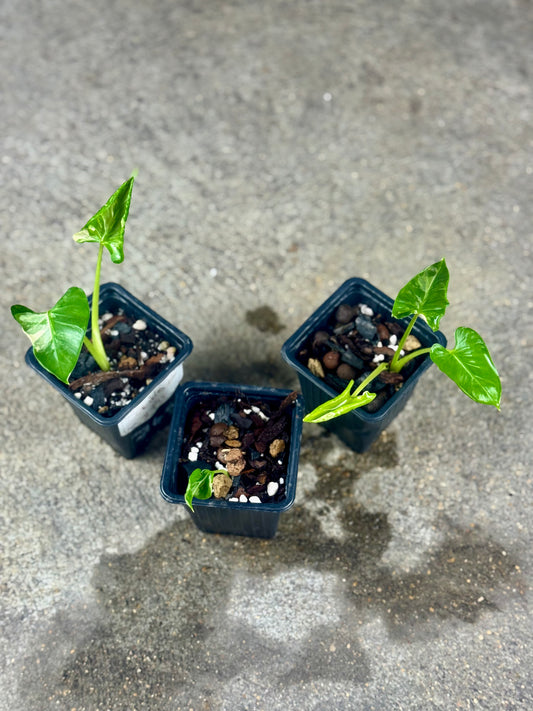
Baby Plant
Yesterday I was in a flask. Today I have my own pot. Life moves fast.
Philodendron
A coarse substrate, plenty of air around the roots… great, now give me a two-metre pole.
Homalomena
It stays fresh without turning into a swimming pool. I really wasn't asking for much.
Baby Plant
Yesterday I was in a flask. Today I have my own pot. Life moves fast.
Ideale con questo substrato
-
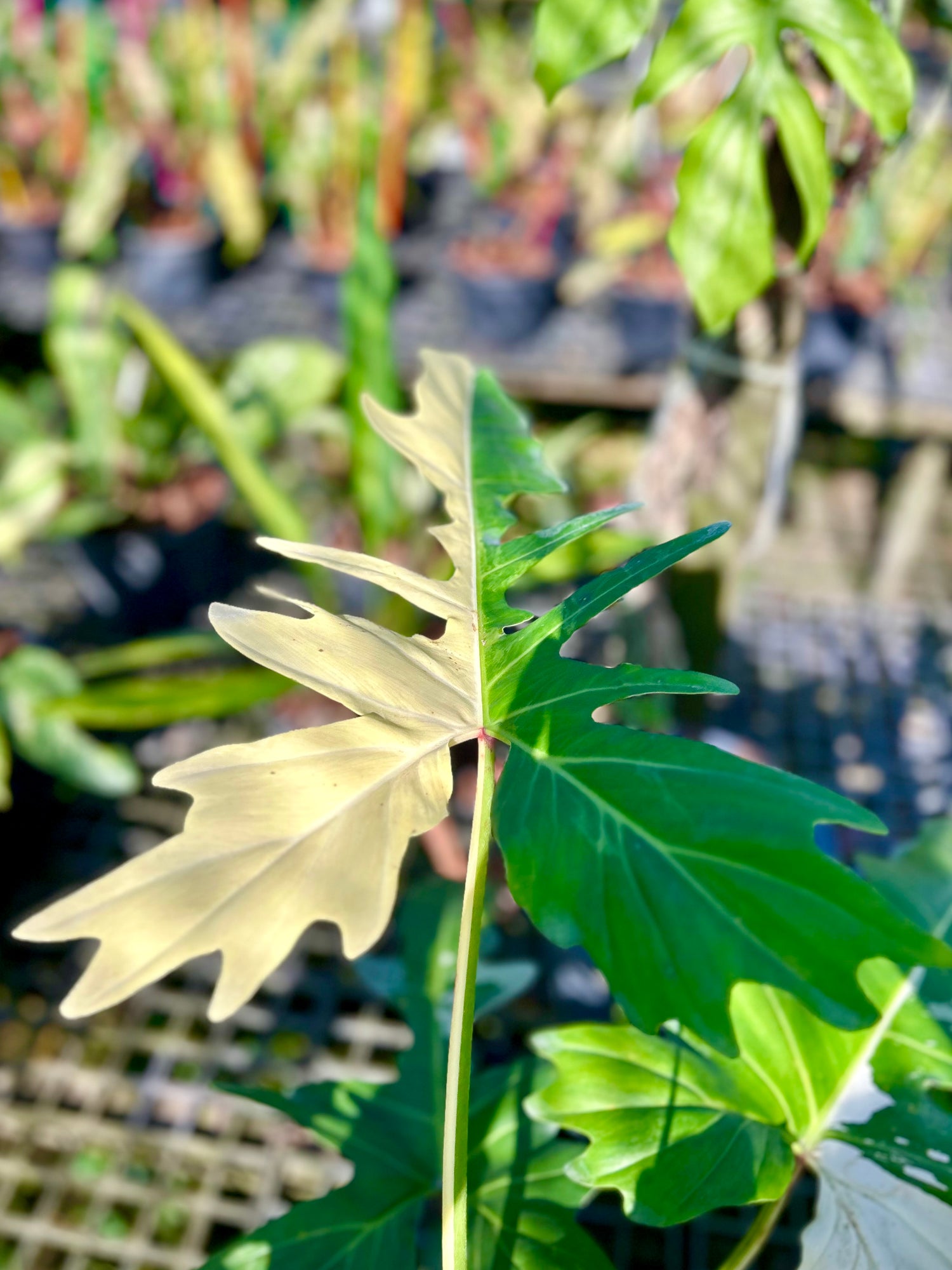
Begonia Maculata Pink Variegata
Prezzo di listino Da €30,00Prezzo di listino -
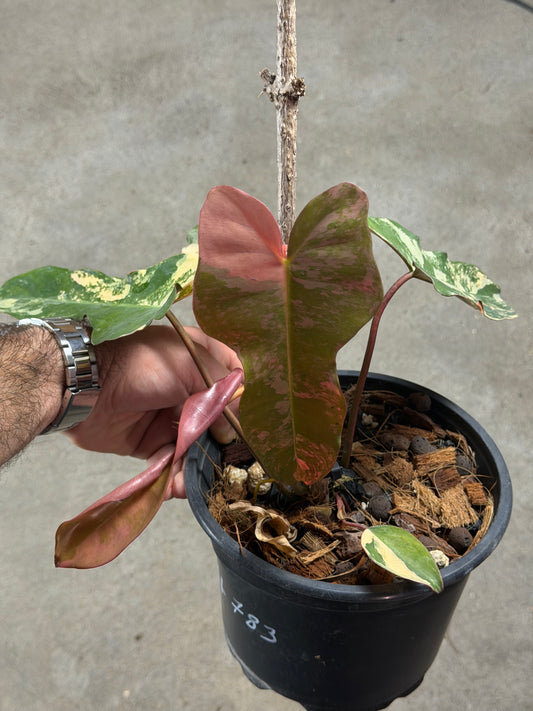
Philodendron Black Billitiae x Florida Beauty
Prezzo di listino €190,00Prezzo di listino€290,00Prezzo scontato €190,00In offerta -
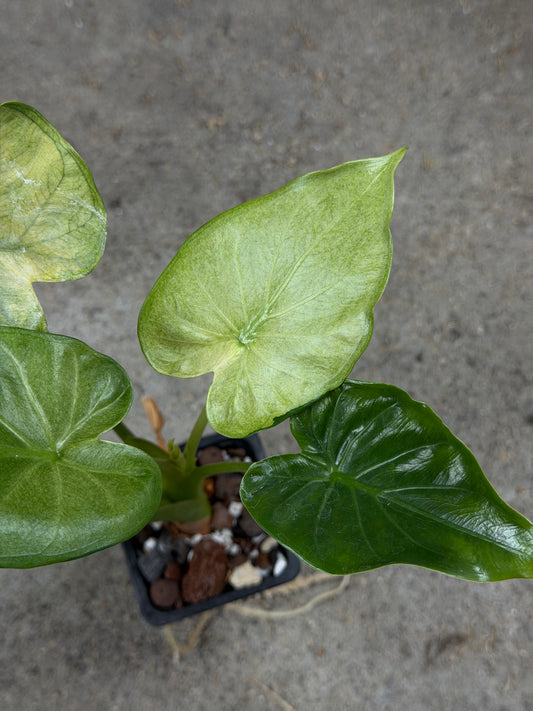
Alocasia Cuculatta « Wagyu » Mint
Prezzo di listino €79,00Prezzo di listino -
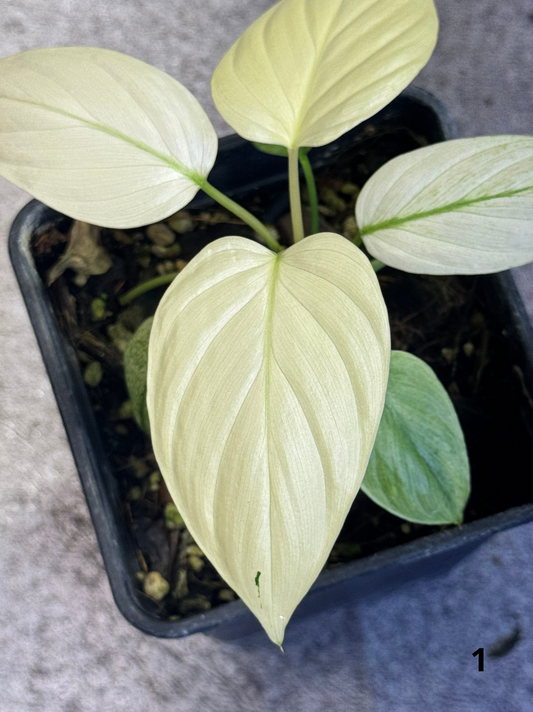
Homalomena Full Mint
Prezzo di listino Da €79,00Prezzo di listino -

 Esaurito
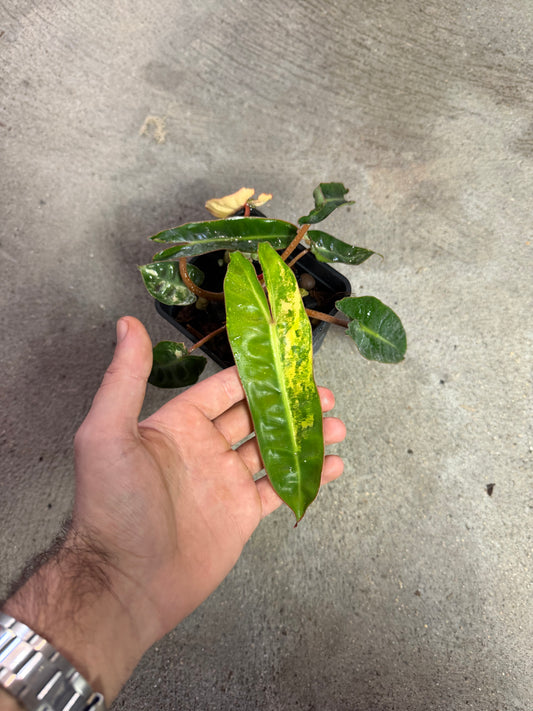
Philodendron Billitiae Variegata
Prezzo di listino Da €59,00Prezzo di listino€79,00Prezzo scontato Da €59,00Esaurito -
Alocasia Wentii Pink
Prezzo di listino €80,00Prezzo di listino -
Homalomena cf. Aromatica « Pink Diamond » Lotto 2
Prezzo di listino €59,00Prezzo di listino€79,00Prezzo scontato €59,00In offerta -
Alocasia Cucullata Crinkless Albo
Prezzo di listino €89,00Prezzo di listino






FAQ
Il substrato per piante da interno è adatto alla mia pianta?
La maggior parte delle piante da appartamento proviene da ambienti tropicali o subtropicali, dove i terreni sono ricchi di sostanza organica, ben aerati e costantemente drenanti. Questo substrato si ispira a tali condizioni naturali al fine di ricreare un ambiente simile al loro habitat di origine, pur rimanendo perfettamente adatto alla coltivazione in vaso.
Quando devo trapiantare la mia pianta?
- Radici che escono dal fondo del vaso
- Un terriccio che si asciuga molto rapidamente tra un’annaffiatura e l’altra
- Una pianta diventata troppo pesante o instabile, che tende a ribaltarsi
- Radici che spingono la pianta verso l’alto e fuori dal vaso
- Un rinvaso consigliato ogni 1-2 anni, a seconda della crescita della pianta
Quanto tempo si conserva il substrato?
Un substrato chiuso, conservato nella sua confezione originale, in un luogo asciutto e al riparo dalla luce, può conservarsi per 12-18 mesi mantenendo le proprie proprietà fisiche e biologiche. Una volta aperto, il substrato rimane perfettamente utilizzabile per 6-9 mesi, a condizione che venga richiuso correttamente e conservato in un ambiente asciutto.
Un substrato utilizzato (già in vaso e irrigato) mantiene una buona efficacia tra i 9 e i 18 mesi, a seconda della pianta, della frequenza di irrigazione e delle condizioni di coltivazione. Oltre questo periodo, la struttura e l’attività biologica diminuiscono progressivamente; si consiglia quindi di trapiantare o rinnovare il substrato ogni 1-2 anni per mantenere un ambiente radicale ottimale. 🌿
Di quale quantità di terriccio per piante da appartamento ho bisogno?
Utilizza il calcolatore del volume del vaso disponibile nella scheda prodotto per determinare la quantità necessaria.
Cosa fare se la mia pianta non sembra più felice con il nuovo terriccio?
Se la vostra pianta non sembra attecchire in questo substrato, non esitate a contattarci. Vi aiuteremo a diagnosticare la situazione (substrato, irrigazione, luce, ambiente) e a trovare la soluzione più adatta per garantire una crescita sana e duratura della vostra pianta 🌿
- Scegliendo una selezione si ottiene un aggiornamento completo della pagina.
- Si apre in una nuova finestra.