

PLANTS
ROOT ROT
RETENTION
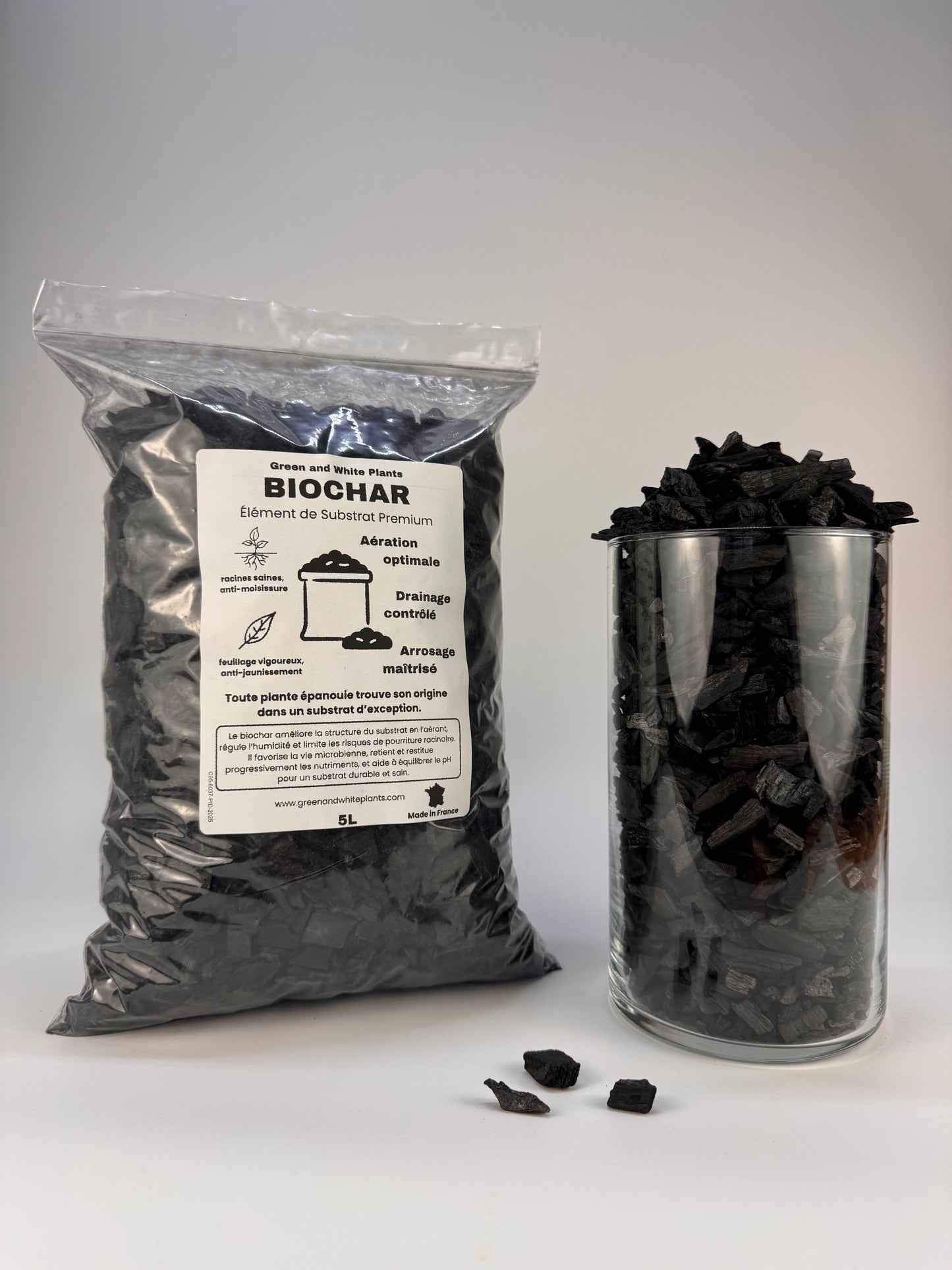
Biochar hortícola
Biochar hortícola
Ideal for:
All types of indoor plants


No se pudo cargar la disponibilidad de retiro
Selected and prepared in France 🇫🇷
Biochar has become a key component in several of our growing mixes.
During our growing trials between Thailand and France, we studied its behaviour in different substrates to achieve the right balance of porosity, growing-medium stability and airflow.
We selected a horticultural biochar suited to container growing, whether used in specific applications or as part of a substrate blend.
It is then prepared, quality-checked and packed by our team in France.
Thriving Plant Guarantee — 30 days
Our goal is for your plant to thrive when using our products.
If, despite following our recommendations and correctly using our biochar, your plant experiences an irreversible decline, contact us.
We will first guide you in an attempt to stabilise and recover your plant.
If it still cannot be saved, our guarantee provides:
- Refund of the relevant biochar order
- A replacement plant worth up to €100 per order as store credit, usable on one or multiple plants
Main conditions:
- Use the biochar according to our recommendations
- Do not add products that significantly alter the mix without adapting your growing routine
- Follow your plant's main growing requirements, especially watering
- The purchase must have been made directly on greenandwhiteplants.com
Still unsure? Read our customer reviews .
How to use biochar
Biochar can be incorporated directly into your substrate to increase porosity and complement its structure.
Its highly porous structure provides a large internal surface area and can contribute to the management of water, dissolved elements and biological activity within the growing medium.
Composition
A deliberately simple composition: 100% horticultural biochar.
A porous carbonised plant material designed to be used as a component or amendment in growing mixes.
WHAT THEY THINK
We changed their substrate. Apparently, their roots had a few things to say.
Monstera
Finally, a substrate with enough air. My roots had almost forgotten what breathing felt like.
Alocasia
Moist, but not waterlogged. Airy, but not dry. Finally, someone read my requirements.
Anthurium
Drainage, moisture, oxygen… my aerial roots are asking if they can move in too.
Philodendron
A coarse substrate, plenty of air around the roots… great, now give me a two-metre pole.
Homalomena
It stays fresh without turning into a swimming pool. I really wasn't asking for much.
Baby Plant
Yesterday I was in a flask. Today I have my own pot. Life moves fast.
Monstera
Finally, a substrate with enough air. My roots had almost forgotten what breathing felt like.
Alocasia
Moist, but not waterlogged. Airy, but not dry. Finally, someone read my requirements.
Anthurium
Drainage, moisture, oxygen… my aerial roots are asking if they can move in too.
Monstera
Finally, a substrate with enough air. My roots had almost forgotten what breathing felt like.
Alocasia
Moist, but not waterlogged. Airy, but not dry. Finally, someone read my requirements.
Anthurium
Drainage, moisture, oxygen… my aerial roots are asking if they can move in too.
Philodendron
A coarse substrate, plenty of air around the roots… great, now give me a two-metre pole.
Homalomena
It stays fresh without turning into a swimming pool. I really wasn't asking for much.
Baby Plant
Yesterday I was in a flask. Today I have my own pot. Life moves fast.
Philodendron
A coarse substrate, plenty of air around the roots… great, now give me a two-metre pole.
Homalomena
It stays fresh without turning into a swimming pool. I really wasn't asking for much.
Baby Plant
Yesterday I was in a flask. Today I have my own pot. Life moves fast.
-
Begonia Maculata Pink Variegata
Precio habitual A partir de €30,00Precio habitual -
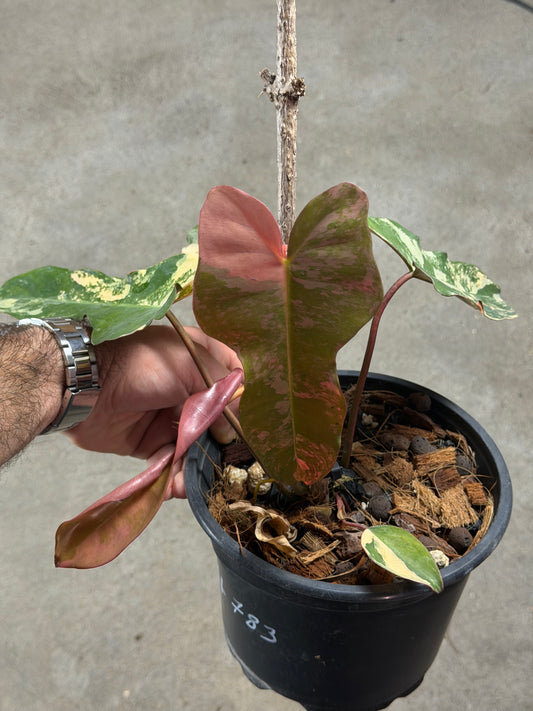
Philodendron Black Billitiae x Florida Beauty
Precio habitual €190,00Precio habitual€290,00Precio de oferta €190,00Oferta -
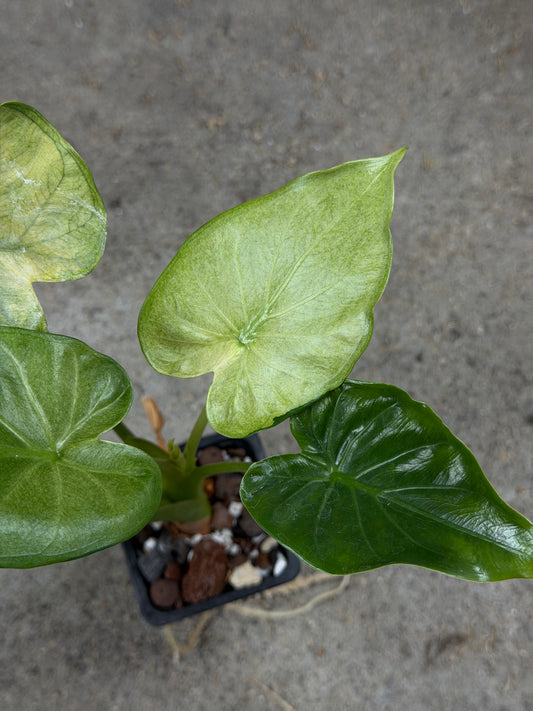
Alocasia Cuculatta «Wagyu» Menta
Precio habitual €79,00Precio habitual -
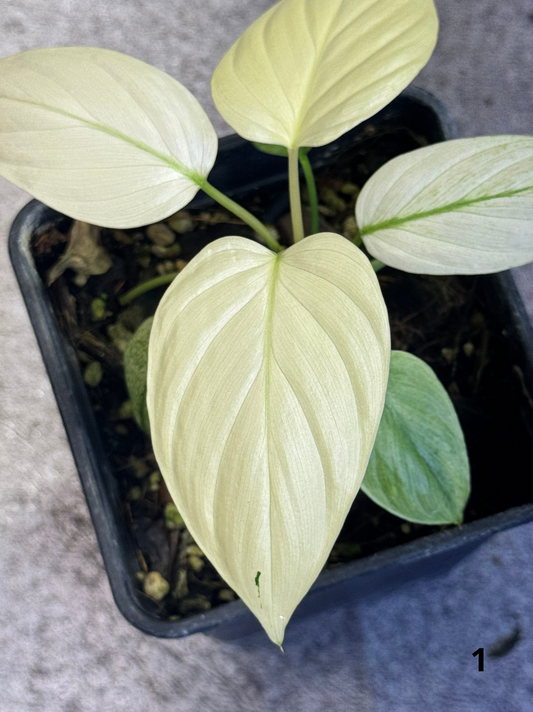
Homalomena Full Mint
Precio habitual A partir de €79,00Precio habitual -

 Agotado
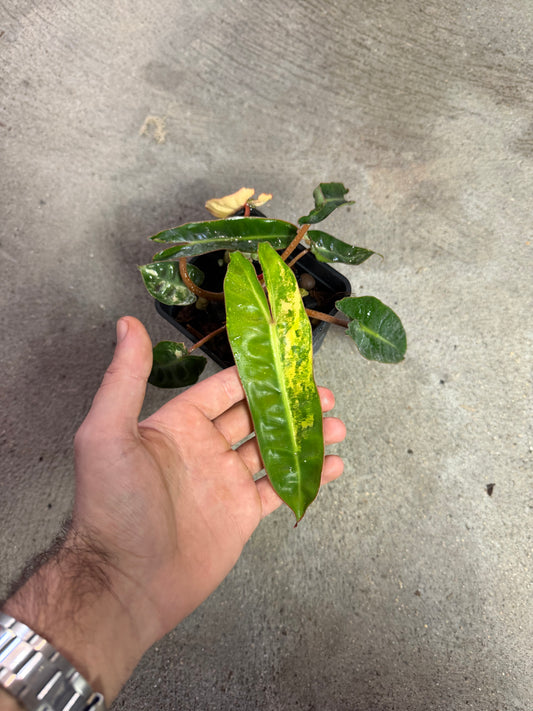
Philodendron Billitiae Variegata
Precio habitual A partir de €59,00Precio habitual€79,00Precio de oferta A partir de €59,00Agotado -
Alocasia Wentii Pink
Precio habitual €80,00Precio habitual -
Homalomena cf. Aromatica « Pink Diamond » Lote 2
Precio habitual €59,00Precio habitual€79,00Precio de oferta €59,00Oferta -
Alocasia Cucullata Crinkless Albo
Precio habitual €89,00Precio habitual






Preguntas frecuentes
¿Sería adecuado el biochar para mi planta?
Las plantas, ya sean tropicales o de clima templado, se desarrollan naturalmente en suelos vivos ricos en carbono, donde el aire y el agua circulan libremente alrededor de las raíces. El biochar se inspira directamente en estos entornos naturales para recrear, dentro del sustrato, un medio aireado, biológicamente activo y duradero. Protege el sistema radicular de los desequilibrios relacionados con la humedad, favorece una gestión saludable del agua y apoya un crecimiento equilibrado, estable y seguro para todo tipo de plantas cultivadas en maceta.
¿Cuándo debo trasplantar mi planta?
- Raíces que salen por el fondo de la maceta
- Un sustrato que se seca muy rápidamente entre riegos
- Una planta que se ha vuelto demasiado pesada o inestable y tiende a volcarse
- Raíces que empujan la planta hacia arriba y fuera de la maceta
- Se recomienda un trasplante cada 1 o 2 años, según el crecimiento de la planta
¿Cuánto tiempo se conserva el sustrato?
Un sustrato cerrado, conservado en su bolsa original, en un lugar seco y protegido de la luz, puede conservarse de 12 a 18 meses preservando sus propiedades físicas y biológicas. Una vez abierto, el sustrato sigue siendo plenamente utilizable durante de 6 a 9 meses, siempre que se vuelva a cerrar correctamente y se almacene en un ambiente seco.
Un sustrato utilizado (ya en la maceta y regado) conserva una buena eficacia entre 9 y 18 meses, según la planta, la frecuencia de riego y las condiciones de cultivo. Pasado ese tiempo, la estructura y la actividad biológica disminuyen progresivamente; por ello, se recomienda trasplantar o renovar el sustrato cada 1 o 2 años para mantener un entorno radicular óptimo. 🌿
¿Qué cantidad de biochar necesito?
Utilice el calculador de volumen de maceta disponible en la ficha del producto para determinar la cantidad que necesita.
¿Qué hacer si mi planta no parece más feliz con su nuevo sustrato?
Si su planta no parece prosperar en este sustrato, no dude en contactarnos. Le ayudaremos a diagnosticar la situación (sustrato, riego, luz, entorno) y a encontrar la solución más adecuada para garantizar un crecimiento sano y duradero de su planta 🌿